




Experience does matter. That much is obvious. And if we are being honest about what the Fire Department actually does today, then experience in emergency medical services matters more now than at any point in the department’s history.
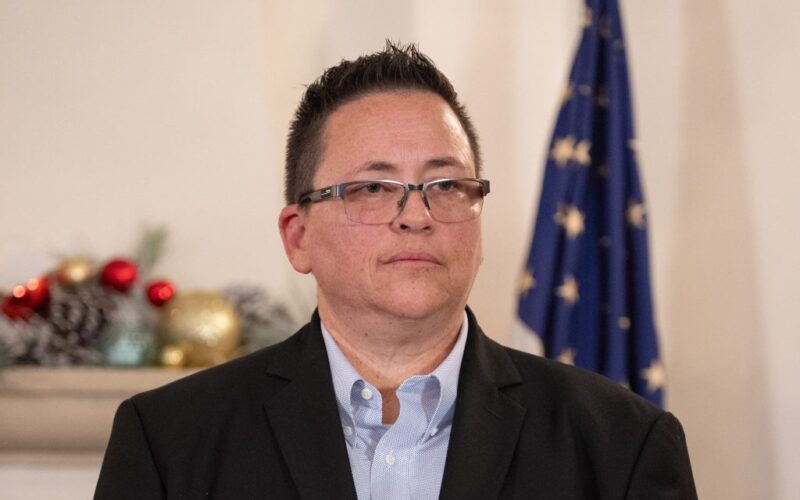
The work of the FDNY is no longer primarily firefighting. Roughly 70 to 85% of all 911 calls involve a medical crisis — heart attacks, strokes, overdoses, respiratory failure, psychiatric emergencies. Firefighters respond to these calls every day as part of their job. That is not ideology; it is math. And now, the new FDNY commissioner, Lillian Bonsignore, is an EMS veteran.
This shift has been decades in the making, exposing a structural imbalance that can no longer be ignored. Emergency Medical Services carries the majority of the department’s workload, yet remains the most understaffed, underfunded, and underpaid uniform branch of the FDNY.
There is also a stark demographic difference between these two uniform branches of the FDNY that explains these disparities; EMS are predominately of color and largely female, firefighters are almost exclusively male and predominately white. Despite responding to the bulk of emergencies, EMS represents only a fraction of the workforce and an even smaller share of the budget. Major investments in EMS lag years behind reality, while call volume continues to surge.
That is the real risk to public safety.
What has been missing from this conversation is the connection between respect, value, and outcomes. The FDNY’s long-standing refusal to treat EMS as a truly co-equal uniformed service — despite the fact that emergency medical work now constitutes the overwhelming majority of what the department does — has consequences. It drives poor morale, accelerates attrition, diminishes the quality of services, perpetuates inequitable treatment, and interferes with lifesaving care New Yorkers receive, as evidenced by record long emergency response times and chronic staffing shortages.
Up until now, EMS has never been properly resourced. The predictable result has been burnout, forced overtime, a discriminatory work environment, and a system stretched thin precisely when the city now needs it most. When people die waiting for help, it is not because the fire commissioner lacks firefighting credentials — it is because the medical side of the house has been under resourced and allowed to lag far behind the reality of modern emergency needs.
Bonsignore’s appointment represents the first meaningful acknowledgment, at the highest level, of the importance of the EMS uniformed service within the department. It is a first step toward recognizing, valuing, and properly resourcing EMS first responders — which will ultimately save lives.
Understanding this requires understanding the role of the fire commissioner.
The commissioner is a civilian executive — always has been. The job is not to command scenes or run suppression tactics. It is to manage a 17,000-person agency with a multibillion-dollar budget, set strategic priorities, secure funding, and navigate City Hall. Operational authority runs through the chiefs of fire operations and EMS operations, as it does in every large paramilitary organization.
Elon Musk claiming that “people will die” because the new commissioner comes from EMS reflect a fundamental ignorance of both history and governance. No one serious is suggesting that Bonsignore’s appointment will result in more lives lost. Most past commissioners were not firefighters, not first responders, and in some cases not public-safety professionals at all — and those appointments did not provoke panic about mass casualties, or even comment.
The FDNY is confronting a reality in which its primary mission is medical care, operating alongside a health care system under immense strain. Leadership that understands EMS from the inside, while also possessing the administrative experience required to run a massive agency, is not a liability. It is a necessity.
Given its long history of bias and challenges with discriminatory employment practices, it is no surprise that much of the opposition to Bonsignore has defaulted into accusations of “DEI,” despite her decades of uniformed service experience. This bias must also be remedied for the FDNY to properly meet the needs of the 21st century.
And to be clear, addressing these inequities does not diminish the heroic work of firefighters. Their service must continue to be recognized, valued, and rewarded. Including EMS in that recognition only helps all members of the FDNY, which if properly structured and resourced for modern emergency response would strengthen fire operations and deliver better outcomes for everyone — most importantly New Yorkers.
Almojera is an FDNY EMS lieutenant and vice president of Uniformed EMS Officers Union Local 3621 and author of “Riding The Lightning: A Year in the Life of a New York City Paramedic.”