


When I first put on turnout gear as a young firefighter, no one talked much about cancer. We worried about the flames, not the invisible threats that followed us home.
It’s a much different story today. We now know firefighters are around 9% more likely to be diagnosed with cancer and 14% more likely to die from it than the average American. The impacts from repeated exposure to smoke, carcinogens, and hazardous chemicals can be devastating. Service-related cancers have caused disability, financial strain, and in some cases the ultimate sacrifice.
Then there are the families of the fallen. Too many have had to make ends meet in these circumstances. Managing grief is a big enough burden.
That’s why it matters that Congress included the Honoring Our Fallen Heroes Act in the recently passed National Defense Authorization Act (NDAA). For the first time, federal law will reflect our reality: cancer is one of the leading causes of line-of-duty deaths among firefighters.
The Honor Act opens the door for families of firefighters who die from service-related cancers to qualify for benefits through the Public Safety Officers’ Benefits (PSOB) program. That’s a big deal. But it needs to be implemented promptly. What happens next will determine whether this legislation helps those who have already waited far too long.
With the NDAA signed into law, the Department of Justice must review the cancer-related claims under the new eligibility standards. It’s a labor-intensive process that requires experienced reviewers, clear guidelines, and adequate staffing. Right now, PSOB employees are already working through a backlog of claims. Without additional resources, families could face further delays. Addressing this issue in the upcoming appropriations bill would be a start.
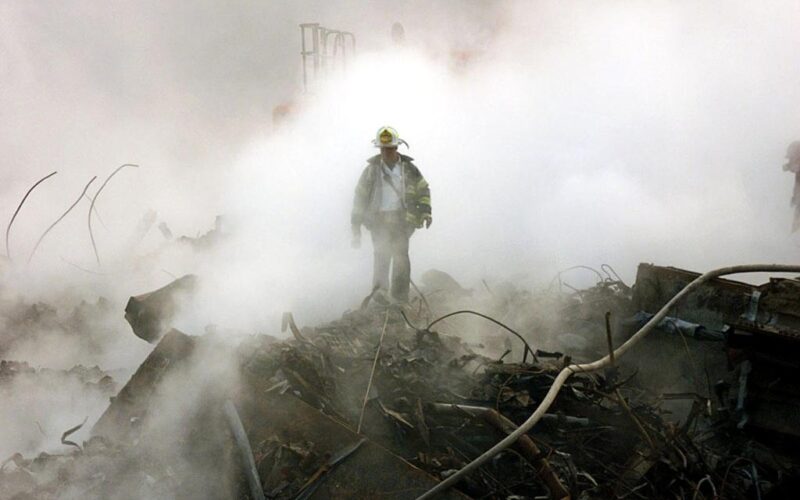
New Yorkers know all too well the toll of service-related cancers. It took years of advocacy before 9/11-related illnesses were officially recognized as line-of-duty deaths.
In October 2025, the National Fallen Firefighters Foundation (NFFF) honored 176 FDNY firefighters who died from 9/11-related cancers, adding their names to the National Fallen Firefighters Memorial. These firefighters gave their lives years after answering the call, yet their sacrifices were no less profound. For the more than 1,000 family members, firefighters, and supporters gathered on Staten Island, the weight of that recognition was unmistakable. Loved ones were finally acknowledged, sacrifices were formally honored, and families gained access to long-awaited emotional support.
Others are still waiting. Federal law now expands cancer benefits beyond those affected by 9/11; swift implementation will bring overdue relief.
We are grateful to those who fought tirelessly for the Honor Act, including Fire Hero Families, fire service organizations, and lawmakers on both sides of the aisle. Families across the country will finally be able to have their firefighter formally honored for service-related illnesses that claimed their lives. This law ensures that sacrifice is recognized, that families are supported, and that firefighters who gave everything in the line of duty are never forgotten.
Let’s keep the momentum going.
January is Firefighter Cancer Awareness Month. Public awareness still matters, even after a bill becomes law. Implementation doesn’t happen without attention, oversight, and continued civic engagement. Elected officials must ensure the DOJ has the resources it needs to get this right. Fire departments nationwide and fire service organizations can help by making sure their members know what benefits are now available and how to apply.
And firefighters themselves can help address the prevalence of cancer by participating in research and prevention efforts. I encourage all members of the fire service to enroll in the voluntary NIOSH Firefighter Cancer Registry, our profession’s most ambitious effort to track cancer outcomes. The more firefighters who participate, the stronger our evidence — and our case — becomes.
The NFFF is preparing to support families as this law takes effect. Our Local Assistance State Teams stand ready to help families navigate what can be a confusing system at one of the hardest times in their lives. Formal recognition unlocks more than federal benefits: it means access to lifetime peer support, counseling, scholarships, and programs designed to help Fire Hero Families build new paths forward.
Passing the Honor Act was essential. Following through is crucial.
Clearing the backlog and ensuring new claims are processed efficiently is a matter of fairness. Firefighters and their families impacted by service-related cancers have already sacrificed too much. They deserve action.
This law lays the foundation. Now let’s finish the job.
Stagnaro, a 40-year veteran of the fire service, is CEO of the National Fallen Firefighters Foundation, a congressionally established nonprofit that honors America’s fallen fire heroes, supports their families, and works to reduce preventable firefighter death and injury.