

Robotaxi companies are pulling out all the stops to come to NYC. But should we let them?
Time is running out for New Yorkers to make serious decisions about the path forward. Gov. Hochul in her State of the State address last week announced that fully driverless autonomous vehicles (AVs) are coming to other cities in the state. Determining whether that future makes sense for New York City demands careful scrutiny.
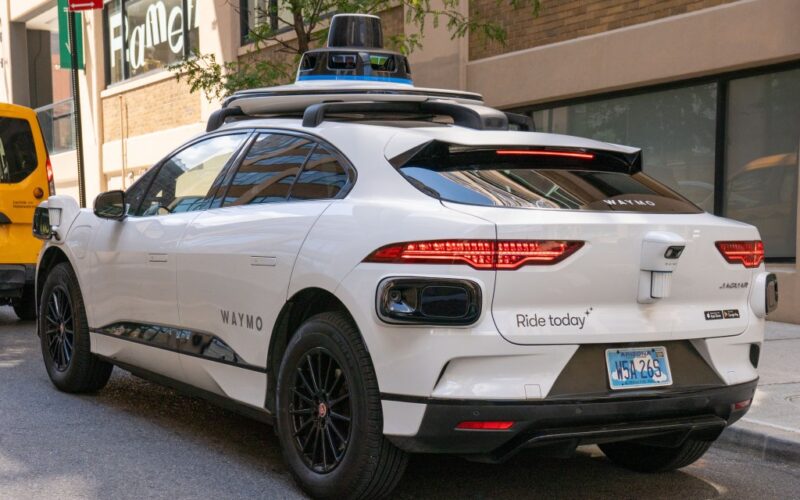
Waymo is currently testing AVs with safety drivers in NYC and has made clear its intention to be fully driverless soon. We cannot repeat the mistakes of the launch of Uber and Lyft and allow thousands of vehicles to flood our streets without evidence they will improve our city. Before taking any further action, the city must demand clear, rigorous answers to several critical concerns.
The impact of AVs on daily life in New York City is a good place to start.
Autonomous vehicles are still vehicles. They need roads to drive on, curb space and places to be stored. Where will robotaxis go when they’re empty? Will they roam the streets in search of a ride? Will there be sufficient curb space to pick up passengers, or will they illegally double park? And would a focus on AVs come at the expense of other livable city initiatives such as plazas, school streets, and low-traffic neighborhoods?
When considering any significant change to the fabric of our city, we must fully understand whether robotaxi companies advance — or undermine — our goal of a city that prioritizes people over cars.
That means asking what the risks are of increasing the number of cars on our streets.
In San Francisco, robotaxis are already flooding the streets. What would prevent that same outcome in NYC, threatening to reverse the positive impacts of congestion pricing? Vehicle miles traveled (VMT) in NYC have increased 16% over the last 20 years — and New Yorkers feel the consequences every day: congested streets, dangerous intersections, polluted air, and constant noise. The city simply cannot absorb a dramatic increase in the number of vehicles.
If robotaxis are authorized in NYC, City Hall must establish strong regulations to ensure they reduce congestion and lower VMT. This could include fees tied to vehicle miles traveled and penalties for empty trips.
The most common argument in favor of robotaxis is their purported safety benefits, yet experts disagree on how significant those benefits actually are. Some estimate it would take billions of miles of driving data to draw definitive conclusions. The limited safety data currently released by companies is insufficient for comprehensive, objective analysis; full, transparent datasets must be made public.
Equally important is enforcement. We already know Waymo has adjusted its algorithms to behave less safely in response to enforcement pressure — an unacceptable outcome that must be prevented. Rather than committing to an uncertain technology with wide-ranging consequences, we should prioritize proven, data-backed safety measures that the city can implement quickly and cost-effectively.
But there are downstream effects that are not being considered. Some that cut to the core of what New York does best.
Public transportation remains the safest, most efficient, and most equitable way to move around New York City. Prioritizing AV deployment risks undermining our transit system. Because robotaxi companies are driven by profit and density, it is unlikely they would serve transit deserts or strengthen public transportation.
There are also serious labor implications. Thousands of New Yorkers rely on for-hire vehicle driving to support their families. The city has already witnessed the devastating impact of crushing taxi medallion debt — including suicides and a hunger strike — simply to secure modest relief. Any discussion of AVs must grapple honestly with their impact on workers.
Which leads us to the question of authorization — and whether now is the right time.
Red light cameras and speed cameras remain pilot programs requiring reauthorization every two years. Even well-established street safety measures demand years of study. Against that backdrop, granting blanket authorization for fully driverless vehicles would be a striking double standard. Any approval must include sunset provisions that allow the city to reassess the technology after a limited trial period, rather than locking in permanent permission.
These issues are complex, but avoiding them is not an option. New Yorkers must demand that robotaxi companies come forward with clear answers backed by transparent data. The city must be thoughtful and creative in deciding whether AVs belong on our streets — and, if they do, how they are regulated.
We will not get a second chance.
Lind is the co-executive director at Open Plans.