




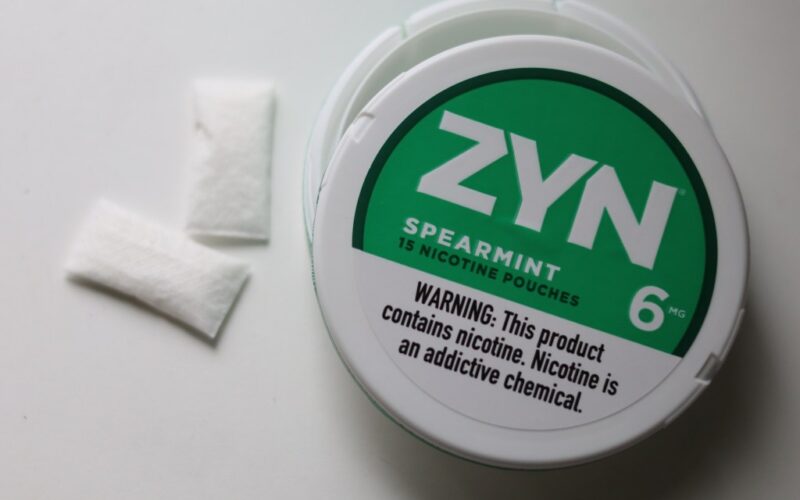
As a clinician who treats veterans struggling with trauma, mental illness, and addiction, I’m careful about language. Words matter. They shape policy, treatment decisions, and public understanding. That’s why it was alarming to read irresponsible comments by Blake Washington, New York’s budget director, labeling nicotine pouches a “gateway drug” in defense of a proposed tax on nicotine alternatives.
That claim is not established anywhere in reputable science, medicine, or public health literature. Not by addiction specialists. Not by tobacco researchers. Not by federal regulators. And not by clinicians who work every day with people trying to quit smoking.
I treat many veterans who are addicted to cigarettes. I also treat veterans struggling with alcohol use disorder, opioid dependency, stimulant use, and co-occurring mental health conditions like PTSD, depression, and anxiety. Smoking is often woven into these struggles. For many of my patients, cigarettes are not a casual habit; they are a deeply entrenched coping mechanism tied to trauma, routine, and stress.
The idea that nicotine pouches act as a gateway into smoking is not something I have ever observed clinically or seen substantiated in any research. In practice, it’s usually the opposite. As my colleagues in public health have stated recently in the Journal of the American Medical Association, nicotine pouches can be an effective smoking cessation tool.
Nicotine pouches are most often used by people who already smoke or have smoked. They are sought out by patients who want to stop inhaling smoke, who can’t tolerate withdrawal, or who have failed repeatedly with abstinence-only approaches. For many, pouches are not an entry point into addiction. They are an exit ramp away from cigarettes.
Nicotine pouches deliver nicotine without smoke, without combustion, and without inhalation. They function far more like nicotine gum or lozenges than cigarettes. That is precisely why the Biden administration authorized certain nicotine pouch products as “appropriate for the protection of public health.”
The current secretary of Health and Human Services has stated that pouches are the safest way to consume nicotine. That phrase has meaning. It reflects a comparative risk assessment, not a political talking point.
What is well-established is that making it harder or more expensive to access lower-risk nicotine alternatives can backfire for people trying to quit smoking. I see this in treatment settings. When safer substitutes are unavailable or unaffordable, patients don’t suddenly stop using nicotine, they go back to cigarettes. Taxing pouches at the same rate as cigarettes will incentivize more harmful behavior and make it more expensive to quit smoking.
Smoking rates are disproportionately higher among people with lower incomes, lower educational attainment, and among Black and Hispanic communities. These are the same communities that already face higher rates of chronic disease, reduced access to healthcare, and fewer resources to support smoking cessation.
As a clinician, I see the human side of these statistics. Many of my patients are trying to quit while juggling unstable housing, job insecurity, untreated trauma, or substance use disorders. For them, quitting smoking is not simply a matter of willpower. It is a process that requires realistic, accessible tools. Lower-risk nicotine alternatives often provide that bridge.
A tax that treats nicotine pouches the same as combustible cigarettes is not just misguided, it is regressive. It disproportionately burdens the poorest New Yorkers while making it harder for smokers in vulnerable communities to switch away from the most dangerous form of nicotine delivery: inhaled smoke.
Punitive taxes that ignore how addiction actually works do not reduce harm, they entrench it.
New York has made real strides in reducing smoking rates, particularly among youth. That success came from policies grounded in science, not rhetoric. The state should not abandon that approach now by adopting language that has no foundation in reputable research.
Science shows that if nicotine pouches are the gateway to anything, they are a path to freedom from cigarettes. For the veterans I treat, and for anyone trying to quit smoking, policy rooted in fact matters.
Vermillion is a clinical social worker and a service-disabled veteran who served in Iraq with the Army National Guard.