



New York is weathering an affordability crisis, and one of the most overlooked cost-drivers is the explosion of lawsuits filed for the purpose of committing insurance fraud. Manufactured lawsuits drain billions from New Yorkers’ wallets each year. Yet despite viral headlines and high-profile arrests, the Empire State’s civil liability laws continue to encourage and reward bad behavior — which attracts sophisticated fraud operations.
Lawsuit abuse occurs when our civil liability laws — designed to protect people genuinely harmed as a result of someone else’s negligence — are instead exploited for financial gain. Unethical attorneys and investors get rich, while the rest of us pay the price: higher bills, rising rents, shuttered businesses, and fewer jobs.
From reptilian courtroom tactics — where lawyers manipulate jurors into awarding outsized damages — to referral kickback schemes involving dishonest medical providers to shady litigation financing arrangements, the machinery of lawsuit abuse churns out inflated and fabricated lawsuits that touch nearly every aspect of the state’s economy.
Staged slip-and-falls at small businesses, apartment buildings, and fake construction accidents increasingly flood our courtrooms, driving up costs for all. Many of these cases begin with nothing more than subjective complaints of pain reported to first-responders or in the emergency room.
Too often plaintiffs are steered into life-altering spinal surgeries and invasive procedures that independent and reputable medical experts say are often unnecessary and inconsistent with accepted standards of care. In these cases, plaintiffs’ attorneys direct clients to adjacent doctors and facilities to generate false or exaggerated diagnoses for the sole purpose of inflating potential settlements and jury verdicts.
Fraud rings frequently prey on vulnerable people — including immigrants and the unhoused — coercing them to intentionally cause or stage accidents in exchange for the promise of large payouts. These individuals are often left destitute, disabled, and in chronic pain from medically unnecessary procedures.
In 2022, a New York attorney, doctor, and lawsuit financier were convicted of recruiting hundreds of plaintiffs and defrauding insurers and businesses of more than $31 million. This case offers a disturbing glimpse into how organized and profitable these fraud operations have become. Fraud cost the average family between $4,000 and $7,000 over the last decade, the FBI estimates.
It is no coincidence that New York is repeatedly designated a top “Judicial Hellhole,” ranking second nationwide in both 2024 and 2025 — a reflection of weak laws that do not merely enable lawsuit abuse, but actively incentivize it.
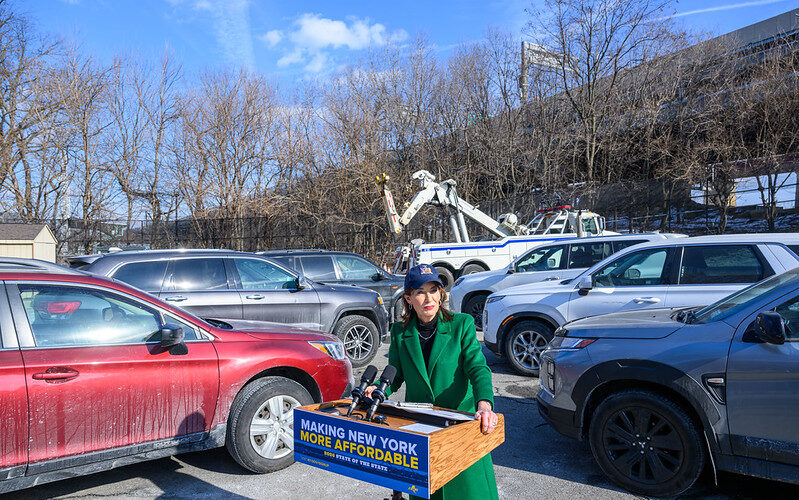
Gov. Hochul recently proposed tackling runaway lawsuit costs that increase auto insurance premiums. This is encouraging news, but reform efforts should address the full system — not just auto claims — and confront the broader liability environment affecting housing, construction, health care, small businesses, and local governments.
Criminalizing “staging accidents” and requiring full transparency in third-party lawsuit financing would be a good start. Today, when outside funders bankroll plaintiffs and their attorneys, judges and defendants are often left completely in the dark.
Hochul recently signed positive legislation to curb predatory litigation-lending practices, but more needs to be done to ensure these funding contracts do not remain hidden from courts and those involved in the litigation. Given the role of lawsuit financiers in funding fraud — including the 2022 Justice Department case — shining a light on these arrangements would give judges and defendants insights as to who is pulling the strings behind the scenes.
I urge Albany to increase scrutiny on these nefarious practices to build a more prosperous New York — one free of fraud and exploitation.
Heck is chairman, president, and chief executive officer of Greater New York Insurance Companies.