




Not everyone in New York thinks about the built environment constantly, but as the president and CEO of a 104-year-old organization that advocates for best practices in the building industry, it’s my job to do just that. It is from this unique vantage point that I say this: Gov. Hochul is right to say “Let Them Build!”
My organization, the New York Building Congress, convenes diverse stakeholders — from architects to engineers to developers to labor — to advance a shared agenda. We support the governor’s “Let Them Build” proposal because of the results it will produce — more housing, better clean water infrastructure, more child care centers and parks — and also because it is the key to kicking productivity into high gear.
Given the ongoing housing and affordability crises, unlocking streamlined processes to produce more units faster is at the top of our list. There are easy ways to do this.
Take the State Environmental Quality Review Act, called SEQRA. Environmental review is absolutely essential for determining projects’ impact on the environment. But we also know that SEQRA is applied in a one-size-fits-all manner, which means projects that data show very rarely have negative environmental impacts are still subject to the same scrutiny as a sprawling statewide infrastructure project.
So even if history has shown that a project type will have minimal or a net-plus impact, it still has to go through the multi-year process to confirm what we already know. The end result doesn’t change — that structure is still built, most often with minimal changes — but only after months and sometimes years of delay and spurious litigation, not to mention hundreds of thousands of dollars in additional costs per project.
Architects — a key group of our membership — are the visionaries of our city, the people who can take a societal need and, within the complex, varied constraints, design a structure to meet that need. Architects carefully design projects to meet local zoning requirements, take public input as part of the zoning review process, and yet then must go through the years-long process of environmental review, even for the categories of projects we know don’t hurt the environment.
Many of our members are engineers. These folks take the vision of the architects, make them possible, and determine the details of how much they cost. But then projects that they price according to the parameters of the moment get delayed for years in SEQRA, rendering their estimates outdated and causing significant cost overruns once the project is eventually built.
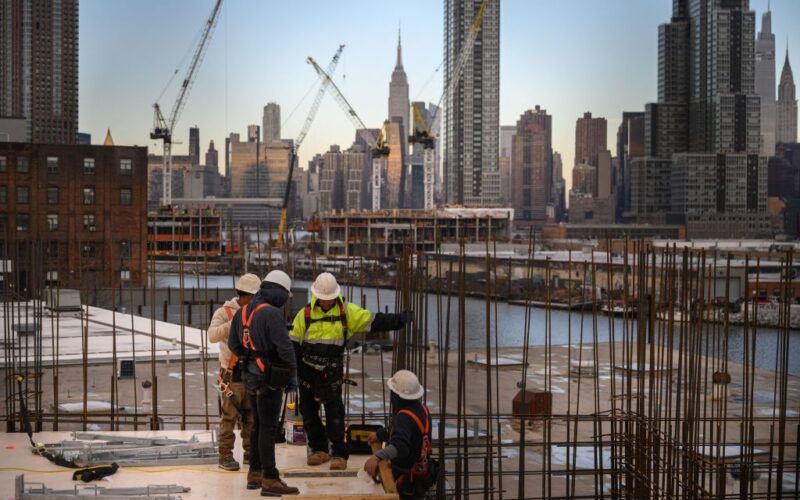
Our members are also contractors, construction workers, and unions. If the architects are visionaries and engineers the technical experts, the workers are the magicians who can make new projects appear out of thin air. But they rely on steady work to earn a good living — and getting stuck in a holding pattern can mean the difference between making the rent that month and not.
The governor’s proposal is neither sweeping nor one-size-fits-all in exemptions from detailed SEQRA review. It wisely targets reasonably sized projects on previously disturbed land in categories that we know from years of experience have historically not had negative impacts.
So let’s let the architects design, the engineers calculate, and the workers build. The 250,000-plus skilled workers and tradespeople represented by the Building Congress need housing, child care centers and more as much as any other New Yorker, but they also experience the challenges of the current system in ways that others may not. So take it from the people who live it every day: Let Them Build!
Scissura is the president and CEO of the New York Building Congress.