


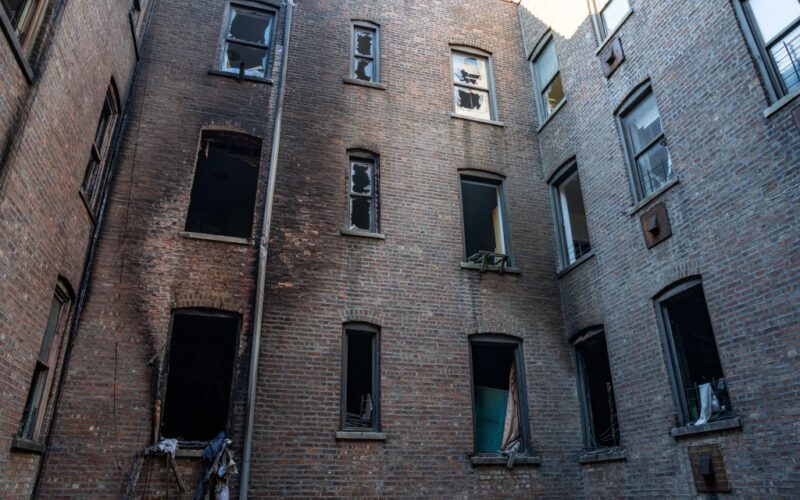
Earlier this month, in the cold morning hours, a 911 call reported a fire in a large apartment building on the Grand Concourse in the Bronx.
Firefighters rushed to the scene and found that a fire on the building’s top floor had spread to the roof. Multiple engine and ladder companies worked in brutal temperatures to battle the fire. The fire grew to a fourth alarm. Despite the quick and thorough response by the FDNY, the fire caused extensive damage throughout the building.
Inspectors and forensic engineers from the Department of Buildings were immediately called to the scene. They spent the next several days investigating the structural stability of the building and evaluating next steps to protect the public.
Teams from the Department of Housing Preservation and Development assisted displaced residents from the building’s 48 apartments and offered emergency relocation assistance through partners at the American Red Cross, connecting them to safe, temporary housing and essential support services.
Thankfully, no one was killed in the fire and there was just one injury. But it will be some time before residents are allowed back inside.
Unfortunately, this scene in the Bronx is not unique.
Every day, the FDNY, DOB, and HPD respond to fires. Many of them displace families, disrupt routines, and tragically claim lives. Since the beginning of 2026, 15 people have died in fires. Dozens of others were displaced due to fire.
The Grand Concourse fire was caused by a faulty circuit breaker panel. Winter brings fires caused by a variety of reasons, from space heaters placed too close to flammable items, damaged extension cords, or faulty unlicensed electrical work. Fires become more destructive when smoke alarms or self-closing fire rated doors don’t function or are missing.
Property owners and tenants play a role in preventing fires. For owners, that means self-closing doors in apartments and common areas must be installed and functioning so smoke and flames cannot spread unchecked. Smoke alarms must be present and operational.
Owners must also provide adequate heat. When apartments are too cold, residents may turn to unsafe heating methods that dramatically increase fire risk. City law requires landlords to maintain indoor temperatures of at least 68°F during the day and 62°F overnight. These are not technical requirements, they are life-safety protections.
Tenants should test smoke alarms regularly and replace batteries as needed. Make sure apartment doors fully close on their own, and don’t block the door with anything.
If a smoke alarm or door isn’t working, notify your landlord immediately. Do the same if your apartment does not have adequate heat. If those issues are not addressed, call 311 so a city inspector can visit.
Some residents may use space heaters. If you do, use regulated heaters with automatic shut-off features, place them on flat surfaces at least three feet away from combustibles, and plug them directly into wall outlets; never extension cords. Always turn heaters off before leaving a room or going to sleep.
It only takes seconds for an unattended space heater or heated blanket to spark a fire, and just seconds more for that fire to spread.
Over the next several months, our agencies will be scheduling joint meetings with community groups in all five boroughs to speak directly with New Yorkers about fire safety. We will answer questions and educate residents on the dangers of fire.
When disaster strikes, our agencies will always be there to help. With a little bit of education, working with owners and tenants, we can keep our city safe.
Bonsignore is FDNY commissioner. Tigani is DOB commissioner.