




The US government is finally inching closer to loosening its strict regulations over marijuana, but whether that will be enough to take pot mainstream like booze and tobacco remains a hazy question.
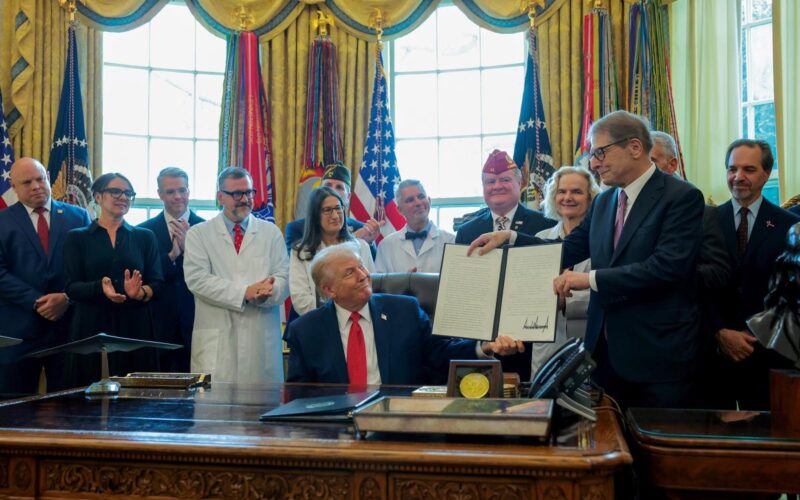
The Justice Department is putting final touches on President Trump’s Dec. 18 executive order moving weed out of the “Schedule 1” classification for hard drugs like heroin — and into something far less draconian and hopefully more bankable, top pot executives and investors tell The Post.
To be precise, US Attorney General Pam Bondi is poised to shift weed into the semi-legal classification of a “Schedule 3” drug alongside medications like codeine-laced Tylenol that can be prescribed by a doctor.
That’s when some investors are hoping the financing spigots for Pot Inc. will start to open.
What’s holding it up? Weed execs chalk it up to the fact that the White House and the DOJ have a lot on their plates. Their sources say the administration is nearly ready to publish a new final rule in the Federal Register that officially moves marijuana onto Schedule 3.
DOJ’s totally on it
A person with firsthand knowledge of the DOJ’s handling of the matter says there is no deadline for Bondi’s action (he denies delays because of war or Epstein). Rather, the process is a complicated one and attorneys on the case are methodically working on the matter.
“This could happen relatively soon,” said the well-placed source, who spoke on the condition of anonymity. “It is a process and it’s still being discussed internally.”
Exactly how Bondi’s final declaration is worded will have significant implications for Pot Inc., a $70 billion business that wants to get bigger. Yes, many states have decriminalized weed, including New York. It’s why — to the chagrin of many parents — the scent of cannabis is everywhere in NYC and pot dispensaries are carpeting our neighborhoods.
Without a full federal stamp of approval, investors fret that the business of weed can’t bloom to its full potential, and at least so far, the feds haven’t gone near there. For that reason, most big banks (JPMorgan, BofA, Citi) won’t lend money to weed farms, the dispensaries for gummies or manufacturers of THC-infused balms, they say, even with the Trump EO because of its narrow wording. Ditto for most major credit-card companies that won’t accept transactions involving pot. US stock exchanges generally won’t take listings for domestic weed-related companies if they in any way “touch the plant,” meaning they often have to list in Canada.
A shadow-banking ecosystem for weed does exist, but it’s not big enough to support Pot Inc.’s growth potential in medical applications that include reducing the pain and side effects of chemotherapy for cancer patients.
An uncomfortable and less-talked-about concern may be lingering skepticism inside the administration about pot. President Trump doesn’t drink and he certainly doesn’t want a nation of stoners given the strength of the current blends of cannabis. He wants this stuff away from kids. That’s probably why the Schedule 3 reclassification is focused on medical marijuana as opposed to the recreational pot smoking and gummy eating that could create a massive industry.
Kinda motivated
Still, pot investors are optimistic they’re on the road to legalization primarily because they believe the Trump administration really is on their side. They cite Trump’s EO and Bondi’s pending re-scheduling on top of comments made by Dr. Mehmet Oz, administrator of the White House’s Centers for Medicare and Medicaid Services, who wants to start a pilot program for medical marijuana.
Marc Cohodes, a former hedge-fund manager and investor in Glass House Brands, a major cannabis-cultivation business, believes Trump might lean into pot legalization, as he did with crypto deregulations, to gain votes for the GOP during what promises to be a difficult midterm election.
“I see the timing as imminent, Dr. Oz made it clear that CBD for Medicare will be available April 15, and we are getting very close to that date,” Cohodes said.
Hedge-fund investor Doug Kass of Seabreeze Partners tells me he’s buying marijuana shares. “The major pot companies all were able to refinance their debt in recent weeks meaning there is a belief that things are moving toward legalization,” he said.
I’m skeptical. Even after Bondi is done with her new rule, Washington remains a partisan mess. Trump has his hands full with the Iran conflict and the economy. Banking legislation might take years. The market seems to agree. True, shares of the AdvisorShares Pure US Cannabis ETF tracking stocks of weed companies have risen about 30% since the president’s executive order. But they’ve since fallen well off their highs amid the thorough review from Bondi’s office.