




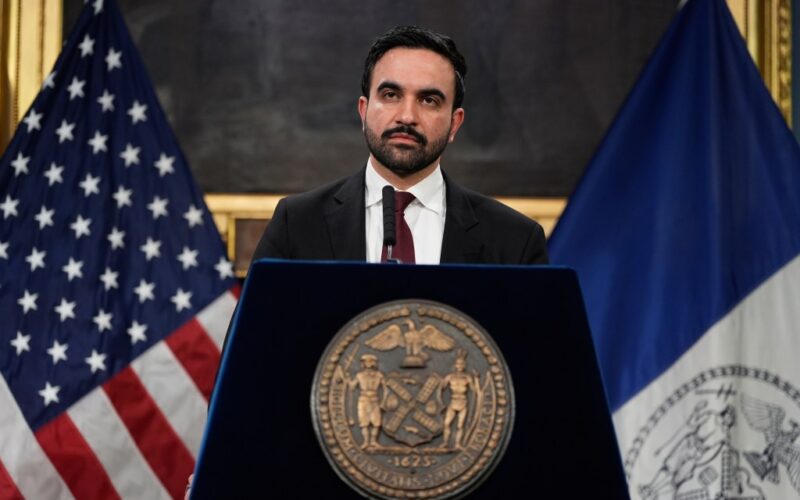
In Mayor Mamdani’s first two months in office, the organized drumbeat from those who lost has only grown louder. National Democrats are still searching for a message that can unite their coalition without reigniting cultural trench warfare. In New York, Mamdani has attempted an answer: treat affordability not as a slogan, but as a governing ethic.
To win, he rode a wave grounded in broad awareness of real people’s struggles and asked a simple question: should a city exist to help people thrive, or to extract maximum labor, money, and dignity from them as they struggle to survive? The message focused on making life a little easier for residents.
Affordability works because it reflects pressures people already feel, regardless of party label. It shifts the conversation away from cultural warfare and toward material conditions that cut across ideological lines. In a polarized moment, that is not incidental, it is strategic.
Housing and health care are among the clearest examples of those pressures; cutting into household budgets like nothing else. Profit drives much of our health care system, and the gap between social need and market incentives is evident to anyone navigating insurance forms, rising copays, or surprise bills.
Health care is a tremendous political unifier. Across the spectrum, people recognize that cost pressures distort outcomes for families, workers, and seniors.
This is true also for the cost of housing. If we are to learn anything from Thursday’s meeting between Mamdani and President Trump, it is that while those on the left may focus on the rhetoric of affordable housing, those who represent the business class want to develop and build. That creates space for leaders from different ends of the political spectrum to work on tangible projects together when the shared goal is lowering costs.
That is why affordability matters heading into the 2026 midterms. If Democrats are looking for issues that can unite their coalition without deepening cultural divides, building new housing that keeps the building trades happy is a good place to start.
Cost of living pressure is not a niche concern. It is broadly shared frustration. In a divided electorate, shared economic strain is one of the few stable points of alignment.
The lesson from New York is simple: voters respond to leaders who focus on what life costs. When affordability becomes the organizing principle, it expands the coalition and reframes politics around material reality rather than cultural symbolism.
Mamdani has translated that shared pressure into governing priorities. Promoting affordability is a city issue when municipal policy shapes housing supply, transit access, child care availability, and the overall cost of living.
Affordable housing is infrastructure for human dignity. Free buses acknowledge mobility as a public good. Mental health outreach reflects realism about what fear and neglect cost when ignored.
If affordability is the organizing principle, results must matter more than partisan alignment. Mamdani’s willingness to sit down with Trump to advance federal housing support signals that lowering costs is a governing priority, not an ideological trophy.
The lesson is not just for Washington. It is for Democrats running in 2026, including here in New York. Whether establishment or progressive, voters are responding to leaders who focus relentlessly on what life costs. Coalitions expand through sustained attention to housing, health care, transit, and daily economic pressure.
Affordability is not just a message. It is a governing discipline. And in a divided city and country, it may be the clearest path to durable majorities.
Levenson is founder and president of The Advance Group, a strategic consulting firm.