



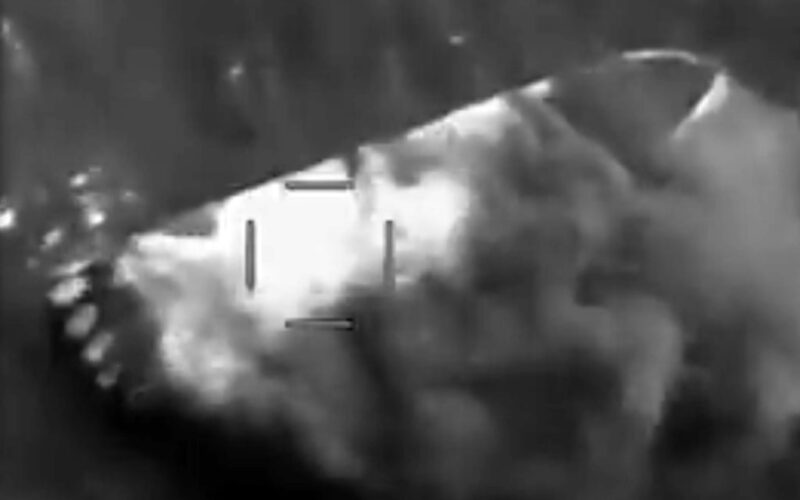
The boat at the center of the “double-tap” controversy that allegedly saw the United States Navy kill two survivors with a second strike, after first destroying their vessel with an initial hit, wasn’t even destined for the U.S, according to a new report.
The suspected drug-carrying vessel was blown up Sept. 2 in the Caribbean Sea, near the northern coast of Venezuela. The first strike sank the boat and killed nine people onboard before a second strike allegedly meant to finish the job brought the death toll to 11.
Officials claim the boat — operated by what the Trump administration has called “narco-terrorists” — was smuggling drugs to the U.S. and presented a threat to Americans. But according to CNN, that boat’s crew planned to transfer contraband to a larger ship headed southeast along the Atlantic coast to the South American country of Suriname.
Admiral Frank Bradley, who oversaw those lethal strikes, reportedly told lawmakers that U.S. forces were unable to locate the other vessel. While it’s possible the bigger boat could have delivered drugs to the U.S., ships carrying contraband from Suriname tend to go to Europe, while drugs flowing into America by water are more likely to travel up the Pacific Ocean.
The strikes came under scrutiny last week, with critics questioning the legality of the attack and whether it amounts to a war crime or murder. Some experts have said the alleged “double-tap” may violate the law of armed conflict, which forbids targeting an enemy combatant who’s out of the fight due to injury or surrender.
The family of a Colombia fisherman killed in a separate strike on Sept. 15 has alleged he was murdered by the U.S. government. In a formal complaint filed this week, his family rejected allegations that he was in possession of any drugs and insisted the fisherman was only doing his job when his boat was targeted.
President Trump and the Pentagon have defended their actions, claiming they’re battling narcoterrorism by killing drug smugglers who are contributing to the overdose scourge in the U.S. Strikes on at least 23 vessels have killed around 90 people since early September.