




The City Council is considering a well-intentioned, but horribly misguided bill to make air conditioning a requirement in nearly every room in all rental and co-op housing in New York City. Intro 994 requires that “each living room of each dwelling unit” be provided with “a cooling and dehumidifying system capable of maintaining an indoor temperature of 78 degrees Fahrenheit at 50% relative humidity” when the outdoor temperature is 82 degrees Fahrenheit or higher.
This may sound reasonable, but it will stress our fragile housing market and electrical grid beyond the breaking point and result in increases in electricity and housing costs.
New York City’s electrical grid is straining under its current demand. New York’s power producers in their most recent reliability assessment say, “New York State’s electric system faces an era of profound reliability challenges.” Over the next five years, New York State faces a potential shortfall of 4,000 megawatts of power. That is approximately 15% to 20% of the electric demand that New York State uses on a summer day.
New York’s power generation infrastructure is the oldest in the country and increasingly relying on fossil fuels. The power delivery system faces significant reliability challenges, high costs, and continued dependence on dirty sources of energy. Intro 994 exacerbates these problems.
Intro 994 will significantly increase New York’s electricity demand — power the state does not currently have and is unlikely to secure soon. Roughly 10% of the city’s rental housing stock lacks air conditioning representing approximately 150 million square feet of real estate. The bill specifically requires “Living Rooms” in every apartment be cooled to 78 degrees Fahrenheit, likely meaning all habitable areas be cooled including bedrooms.
While many apartments have some air conditioning, significantly fewer have it in every room, and maintaining 78 degrees Fahrenheit when temperatures reach 95 degrees requires enormous energy. Intro 994 would add cooling requirements for approximately 300 million square feet of housing, resulting in 600 megawatts of power or an increase of roughly 7% in the amount of electricity that the city uses on a summer day. Intro 994 will increase carbon emissions in New York by 100,000 metric tons annually, the equivalent emissions of 20,000 homes.
If Intro 994 passes, summer heatwaves could push New York’s electric grid to the breaking point. The surge in cooling demand would force the city to rely on its oldest and dirtiest power plants, driving up energy costs for everyone. When demand spikes, utility bills soar — and the risk of blackouts increases. Blackouts are not just inconvenient; they are dangerous. Subways, elevators and traffic signals stop working; police, fire and EMS services get overwhelmed. What’s worse, dirty power plants are already concentrated in communities with high rates of respiratory illness.
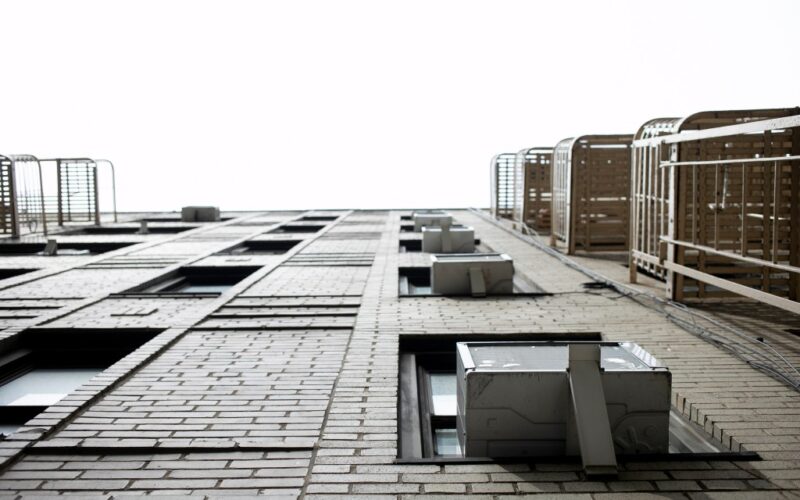
Intro 994 stresses our already fragile housing market and exacerbates the ongoing housing crisis. Installing hundreds of thousands of air conditioning units and upgrading power systems to accommodate the increase in electrical demand will impose significant costs on property owners making housing more expensive and scarcer. Retrofitting older buildings with central air conditioning systems is often prohibitively expensive, leaving many to rely on less efficient window box A/C units. These units compromise building envelopes, allow air leakage, and drive-up heating energy use and costs.
The burden of this upgrade will primarily fall on older rental and coop buildings that do not have existing central air conditioning systems. Cash strapped rental buildings will fall further into disrepair, and co-op members will see their maintenance and common charges increase. And, most disturbingly, all New Yorkers will see increases in their electricity bills as we consume more power from expensive and less sustainable sources.
New York’s housing shortage is only worsened by policies that increase the cost of existing housing and drive utility rates higher. Furthermore, many of these buildings are struggling to comply with Local Law 97 that requires buildings to reduce their carbon emissions. Adding significant electrical load makes compliance difficult and will result in buildings paying larger fines.
New York City and State are in the process of implementing ambitious energy and climate policy to help reduce carbon emissions. Intro 994 is in direct conflict with these objectives and undermines progress toward achieving them. Protecting people from heat-related illnesses is admirable, but crashing our electrical grid, increasing carbon emissions, raising utility prices and making housing less affordable is not the right path forward.
Skalaski is the co-president and Baran is the executive director of the New York Energy Consumers Council.