




If you feel like you’re being nickel-and-dimed everywhere you shop – you probably are.
Instacart has been using a shady AI algorithm that charges different prices to different customers on the same grocery items in the same stores without telling them, according to an explosive study released by Consumer Reports and Groundwork Collaborative earlier this week.
At a Target store in North Canton, Ohio, for example, the popular grocery app charged one customer $2.99 for Skippy Creamy Peanut Butter – while other Instacart users paid as much as $3.59 for the same jar picked up from the same location, the study found.
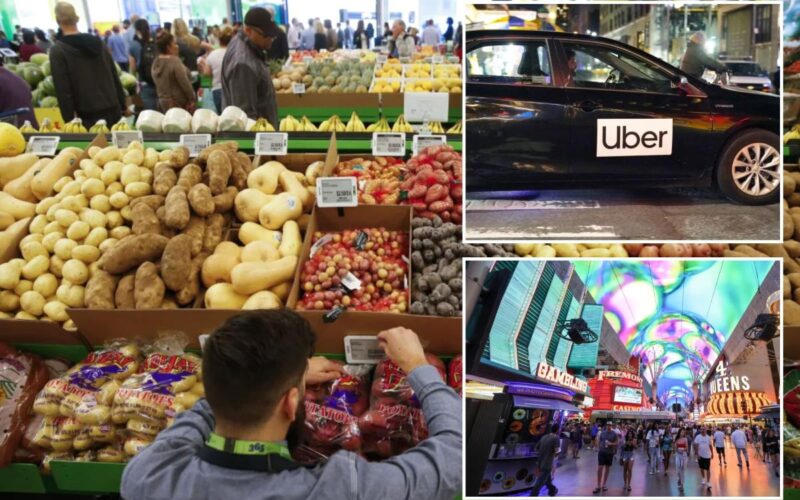
But it’s not just Instacart using cutting-edge tech to set higher prices. So-called “dynamic pricing” practices have been used by rideshares Uber and Lyft; Las Vegas convenience stores; children’s museums and zoos; and even your local grocery stores.
Whole Foods, Amazon Fresh and Kroger have already rolled out electronic price tags that allow workers to raise shelf prices in a matter of minutes. Walmart has said it’s planning to add the tags to thousands of stores by 2026.
Variable pricing is nothing new, but artificial intelligence has made it easier for companies of all sizes to leverage dynamic pricing – and “when something is easier to use, it becomes easy also to take advantage of,” said Pascal Yammine, CEO at Zilliant, an AI-driven pricing strategy firm.
Wendy’s faced heated backlash last year over its plans to invest $20 million in digital menu boards that could change the price of a Dave’s burger in real time – but it quickly walked back the comments, saying it “will not implement surge pricing … We didn’t use that phrase.”
While businesses have always adjusted prices to find the highest amount a customer will fork over, now artificial intelligence, advanced algorithms and massive troves of user data are allowing companies to be more exacting than ever.
“The problem isn’t that companies across multiple industries are using AI for dynamic pricing or even surge pricing,” Yammine said. “The problem is more around transparency and trust.”
Variable pricing, after all, can benefit consumers in some ways – offering discounts when they bulk-buy at Costco, allowing them to compare Amazon prices to other retailers online, and saving them money on plane tickets and vacations when they book during off-seasons, he noted.
The problem arises when data collection and algorithms are used without customers’ knowledge, experts said.
Just last month, the Justice Department settled its case against real estate tech firm RealPage, which allegedly used “completely sensitive information” to jack up rents for tenants.
Around the same time, New York Gov. Kathy Hochul made New York the first state to prohibit the use of algorithmic tools in setting rent prices.
Furious New Yorkers have blasted “slime balls” Uber and Lyft for hiking prices when subway lines are shut down during rainstorms – reportedly charging $80 for a 10-minute ride to work.
People have also reported being charged higher Uber fares when using a personal credit card instead of a corporate one. Advocacy group Consumer Watchdog suggested in a report that Uber might charge more on users with low phone batteries — the idea seeming to be that customers are more likely to pay higher prices when they’re desperate — though the company denied this.
Cash registers at sundry stores in major Las Vegas casinos have been raising the prices of bottled waters, flavored drinks, sunscreen and candy on a daily and even hourly basis – leaving cashiers “just as surprised sometimes as the customers,” a worker told the Las Vegas Review-Journal.
One customer at Caesars Palace noted that his wife was charged $10 for a Snickers bar and Gatorade and the next day, he was charged $14 for the same items.
More than 70 attractions, including children’s museums, zoos and aquariums, use software provider Digonex to power dynamic pricing based on everything from weather to capacity constraints and even Google Analytics search patterns, according to an NBC News report.
During the week of June 8, the Seattle Aquarium, for example, offered out-of-state adult admission prices as low as $37.95 for dates later in the month and as much as $46.95 for walk-in tickets that week, according to the report.
“We’ve had 20 years of social media surveillance capitalism setting up this whole ecosystem of recording everyone’s personal data to target us with ads,” Noah Giansiracusa, associate professor of mathematical studies at Bentley University and an expert on algorithms, told The Post.
“And now [businesses are having] this kind of realization, ‘Okay, we could just repurpose all the data and instead of using it for ads, use it for pricing.’”
Instacart told The Post that its price “tests,” which “have now ended,” are never based on personal characteristics of shoppers and do not change in real time.
Most algorithmic pricing mechanisms are not illegal – and it’s hard to even pin down the companies that use them, making it more difficult to take regulatory action, experts said.
“This whole Consumer Reports study took effort, it took volunteers, and that was just one company. It’s hard for regulators to even scope the problem,” Giansiracusa told The Post.
Many shoppers might not be aware that they’re victims of dynamic pricing, especially high-earning consumers who don’t “balk at the rising price of raspberries and iPhones,” said Hitha Herzog, chief retail analyst at H Squared Research and part-time faculty at Parsons.
For low- and middle-income consumers, however, pricier gallons of milk are a big deal, she said.
Instacart argued that variable pricing can help it raise prices on non-necessities like specialty snacks so it can lower prices on essentials like milk and bread.
But a large part of “what bothers consumers now [about dynamic pricing] is the personalization of it and how it’s based on tracking data about us,” said Shana Mueller, director of public policy for Truth in Advertising, a nonprofit that tracks deceptive marketing practices.
So-called “surveillance pricing” based on individual consumers’ data has increasingly drawn the attention of state and federal regulators.
In January, the Federal Trade Commission released initial findings from an anonymized market study that found “at least 250 clients that sell goods or services ranging from grocery stores to apparel retailers” had worked with middle-men firms to develop algorithmic pricing.
The study authors said the companies can set individualized prices based “on granular consumer data” including location and even the specific type of device they are using.
As an example, the agency cited a hypothetical “cosmetics company targeting promotions to specific skin types and skin tones.”
“The FTC found that widespread adoption of this practice may fundamentally upend how consumers buy products and how companies compete,” the agency said. The investigation was later scrapped under President Trump.
“If Instacart continues doing this and regulators accept this behavior, it will just get worse,” said Kevin Brasler, editor of Consumers’ Checkbook, a nonprofit consumer advocacy group.
“We have seen different people get shown different items … a company may decide that this person doesn’t care if they are shown a higher priced item.”
There are already some guardrails in place, like New York state regulations that require firms to disclose use of personal information – including ZIP codes, which can often say a lot about the neighborhood’s race, gender and other characteristics, Yammine said.
Princeton Review, for example, charged higher prices for online SAT tutoring to customers in ZIP codes with a high percentage of Asian residents, according to a 2015 ProPublica report.
But consumer protections need to be more broadly adopted, Yammine said.
“It doesn’t really help if only one state does it,” he told The Post.