




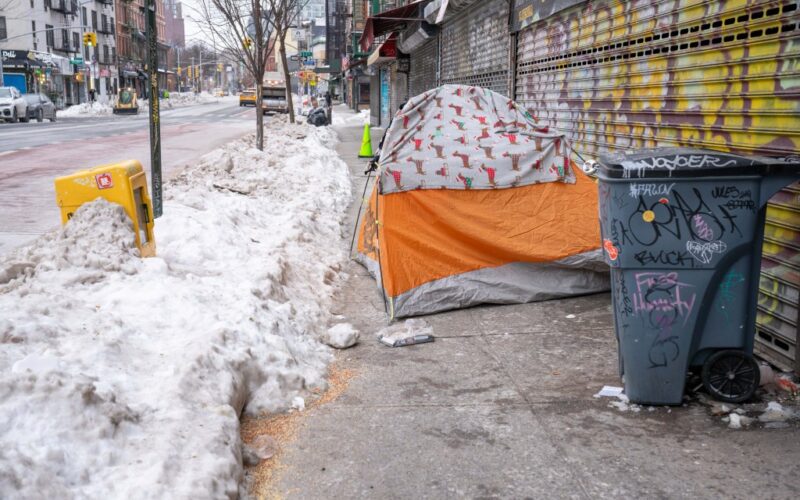
2026 is already pushing New York’s health and safety infrastructure to the limit. Days after a historic winter storm, at least 14 people have lost their lives — several of whom were battling homelessness and showed signs of hypothermia. With families still digging their way out of the snow, thousands are still searching for a warm place to sleep and eat.
For those experiencing mental health and addiction challenges, the extreme cold and limited supportive housing options will continue to snowball with deadly consequences.
Yet we are scrambling to stitch a plan together to respond rather than executing a solid strategy — and it will cost many more lives if we don’t act.
As treatment providers, our responsibility doesn’t stop when the temperatures drop. That’s why we’ve been advocating for a proven solution: supportive crisis stabilization centers (SCSCs). They offer us a way to protect residents experiencing addiction, mental health challenges, and housing insecurity, during moments of distress.
Last summer, the Adams administration proposed encampment sweeps and involuntary commitment for those struggling with homelessness, substance use, and serious mental illness. That approach was flawed, and like other citywide advocates, we opposed the initiative.
At Phoenix House, many of our clients are battling acute addiction and homelessness all at once. We know firsthand that coercive intervention can actually increase the risk of substance use relapse and overdose, and displacing people from encampments only deepens instability.
But the former administration’s plan also brought new resources and attention to a systemic issue: how do we get homeless New Yorkers inside and in treatment?
So we were optimistic when Mayor Mamdani promised the same level of attention, but with a more strategic approach that did not include broadly applied sweeps. But the coldest January in decades makes clear we still need a replacement plan. Without investing in supportive crisis stabilization on the treatment side, we’ll only see more New Yorkers succumb to addiction and exposure — just steps away from reaching a hospital bed or finally getting off a shelter waitlist.
With rising homelessness, and tens of thousands of people forgoing addiction treatment, new crisis centers can create a stronger continuum of care. Long overlooked, they offer 24/7 voluntary, non-clinical assistance for those in crisis. Not only are nurses, counselors, and certified peer specialists ready to stabilize a person’s symptoms in the short-term, but staff additionally serve as a bridge to long-term recovery services.
Up to 90,000 residents already report unmet substance use treatment needs, according to the NYC Department of Health and Mental Hygiene. Simultaneously, homelessness has more than doubled statewide, while Black and Latino New Yorkers continue to be disproportionately impacted.
According to the state comptroller, there are nearly 160,000 New Yorkers experiencing homelessness — at a rate of 8 out 1,000 people. Equally troubling: up to 10% of unhoused individuals also suffer from severe mental illness or drug addiction. Nevertheless, nearly four years after Gov. Hochul kickstarted efforts to build nine new crisis stabilization centers statewide, New York still doesn’t have enough locations to lighten the load on our overcrowded shelters.
When it comes to health and safety, no matter how much New Yorkers brace for extreme conditions, our crisis response remains ill-equipped. What’s more: we only narrowly avoided a full-out emergency less than two weeks ago, after federal officials reversed a $2 billion budget cut for vital health programs at the last minute.
While taking steps to solve these intertwining crises, it’s irresponsible to spend another moment sidestepping what works — especially in this chaotic federal climate. New York needs more supportive crisis stabilization centers now, not in another few years, or when it becomes convenient to back. We’ll either save more people the sooner we get started, or lose more lives to freezing temperatures.
The mayor and his team should apply this strategy now to avoid more unnecessary deaths on our streets.
Foster is the president & CEO of Phoenix House of New York & Long Island, which offers clinical services, residential and outpatient treatment for people with substance use and co-occurring mental health disorders.