




Heed this call.
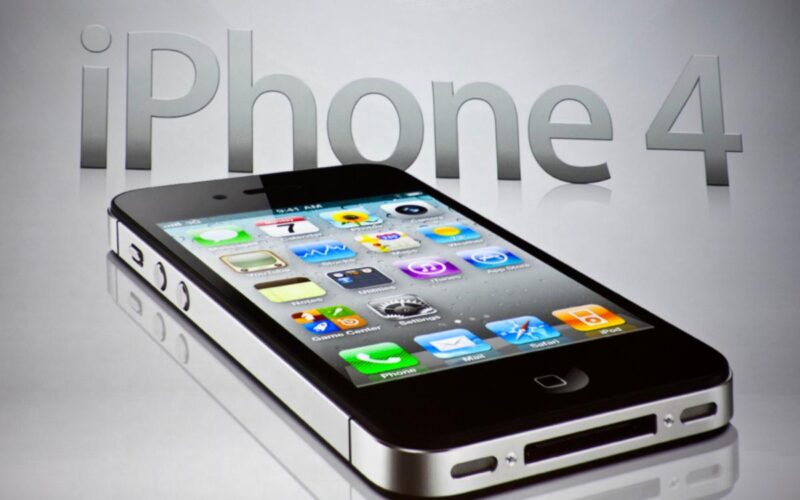
A generation burned out by big tech is again turning back the dial to a time when hope reigned — June 2010 — and rawdogging cellular service with their humble iPhone 4S.
Propagandists of the retro tech trend praise the iPhone 4 for its poor picture quality, showcasing the difference between the iPhone 17 Pro Max, Apple’s most advanced camera, and the “vintage” look of the updates of yore.
“The vibe is unmatched,” wrote one proud new owner of an OG smartphone on social media.
“iPhone 4 is the new digicam,” another declared in a recent post.
The 16-year-old device, in used or new-in-box condition, is currently selling for thousands of dollars on resale sites like eBay, as nostalgic consumers searching to “buy iPhone 4” online have increased by 979%, according to GoogleTrends.
However, an expert told The Post that the downgrade in tech means the same for security, and users should assume their data is compromised from the moment they turn on the phone, according to multiple reports.
Lee Elliott, chief product officer at tech recycling platform Compare and Recycle, urged unsuspecting iPhone 4 owners to refrain from submitting any personal data to the device, which includes simply logging in to an app.
Older models have not been adapted to protect users from data harvesting and do not have the software to use many updated applications.
“The latest iOS version that the iPhone 4 can support is iOS 7.1.2 — a version released in 2014,” he said in a statement provided to The Post. “That’s over a decade without updates or security fixes.
“Because of this, the iPhone 4 will not be able to protect any personal data in the way that more modern iPhones do, leaving users vulnerable to issues like data leaks, hacking, and other security breaches.”

Apple products are considered obsolete about seven years after the company stops distributing them.
When devices go on Apple’s list of “obsolete” products, they won’t receive any support from Apple should something go wrong. And those who think they’re handy enough to fix their own phone won’t be able to order new parts.
Aesthetic-obsessed consumers who refuse to use a point-and-shoot do have a few options for tightening up security, per AppleInsider:
- Transfer photos from the phone to a laptop manually with a wired connection — not by using iCloud to back up photos.
- Don’t log into your iCloud or Apple ID, and don’t install any email, banking or social media apps that may have personal information.
- The same goes for accessing these applications via Safari or another web browser. In fact, they warn against using an iPhone 4 to browse the web at all.
- Consider using airplane mode to stay offline, and don’t insert a SIM card.