



Top law firms are throwing massive cash bonuses at younger lawyers — sometimes more than $200,000 a pop — to stop them from quitting or getting poached by rivals as competition for talent intensifies.
In some cases, the bonuses alone rival a banker’s annual salary, pushing total pay for senior associates toward $550,000 a year.
The bonus bonanza reflects a fierce fight for mid-level associates — the lawyers who run day-to-day work on major deals and trials not long after graduating from law school themselves — as firms scramble to keep them from jumping ship, the Financial Times reported.
Litigation boutiques are leading the charge, with some firms paying well above the standard Big Law bonus scale to lure associates from larger rivals.
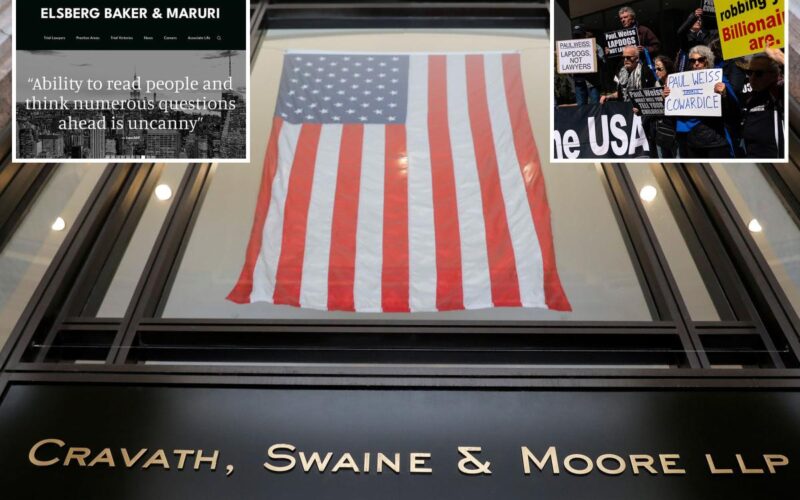
New York-based Elsberg Baker & Maruri told lawyers it would pay bonuses worth up to $226,250, according to the FT.
Pallas Partners, the disputes firm founded by former Boies Schiller leader Natasha Harrison, is offering bonuses of up to $232,000 for associates and counsel in the US and UK, including “step-up” bonuses tied to long hours billed.
Even larger firms are stretching to keep pace. Chicago-headquartered Katten Muchin Rosenman has offered as much as $172,500 to top associates, plus additional “superstar bonuses” the firm declined to detail.
By contrast, most major US firms continue to follow the so-called Cravath scale, under which top-performing associates typically receive bonuses topping out around $140,000.
Other large firms — Paul, Weiss, Rifkind, Wharton & Garrison and Davis Polk — are offering bonuses worth up to $140,000 to their younger attorneys. Paul Weiss made headlines in March when it agreed to provide $40 million in free legal work to the Trump administration and ditch diversity policies to avoid federal sanctions.
Base salaries at those firms range from $225,000 for mid-level lawyers to more than $400,000 for senior classes.
Firms paying above the scale are also demanding more in return, often tying the biggest bonuses to punishing workloads that can top 2,500 billable hours a year, according to the FT.
That comes to about 48 billable hours a week — a target that typically means 65 to 70 hours on the job once unbilled time is included, with far longer weeks during trials or deal crunches.
The mega-bonuses come as law firms have been posting strong financial results, fueled by higher billing rates and steady demand for litigation and deal work.
Research cited by the FT shows revenues at major law firms rose more than 11% in the first nine months of 2025.
Compensation costs climbed nearly as fast, rising close to 10% over the same period, highlighting how much of the revenue gains are being plowed straight back into paying and retaining lawyers, the research showed.
The pressure is being driven in part by elevated associate attrition, with firms losing experienced mid-level lawyers faster than they can replace them.
Attrition among mid-level associates is hovering around 18% to 22%, slightly higher than levels seen before the pandemic.
The Post has sought comment from Elsberg Baker & Maruri, Pallas Partners, Katten Muchin Rosenman and Cravath, Swaine & Moore.