




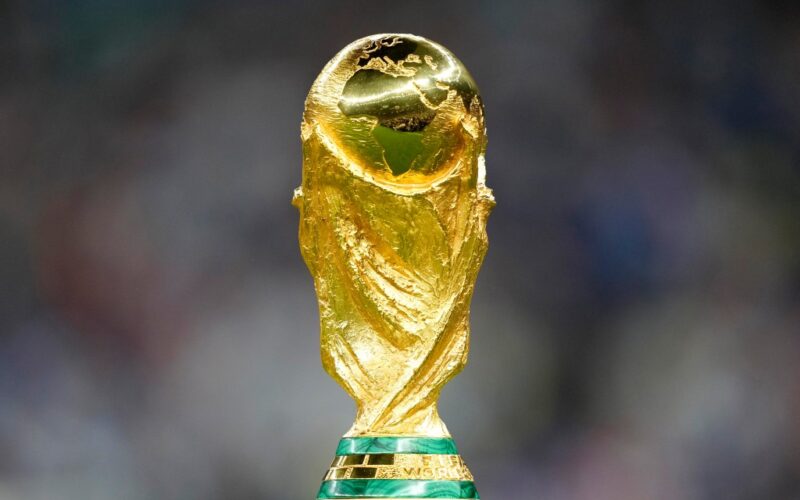
In just seven months, an estimated 1.2 million visitors will begin arriving in the New York region to see some of the eight local games of the 2026 World Cup played over the course of a month.
While the matches will happen across the river at MetLife Stadium, New York City will absorb the crowds, the celebrations, and the glow of an international spotlight. Instead of watching from the sidelines, the city should seize the opportunity to be the ambassador for a global-friendly America — one not currently represented by current federal policies — while at the same time leaving a lasting legacy of ideas and infrastructure improvements for the city’s residents.
When he takes office in January, Zohran Mamdani, a self-proclaimed soccer superfan who has already rallied to make the World Cup more accessible, should harness the energy of the games to improve both global relations and local civic life.
While modest transit upgrades and stadium renovations are underway, no plan that fits the scale of the opportunity and the city’s record of daring and innovative ideas has emerged. The Bloomberg administration’s unsuccessful bid for the 2012 Olympics created a lasting legacy of audacious ideas and projects: Hudson Yards, the No. 7 train extension, and even the creative financing that enabled them, were engendered by the proposed West Side stadium. Hunters Point South’s mixed-use development and open space started as the imagined Olympic Village.
Done well, even temporary interventions can seed permanent transformation that enhances civic life, like the temporary pedestrian plazas that literally pave the way for more permanent park space. With just half a year to go, the city can take swift, tactical steps that would support the event and leave a lasting imprint.
Visitors arriving through JFK, LaGuardia, Newark, Penn Station, and the PATH won’t head just to Times Square or Central Park, but to watch parties and celebrations throughout the five boroughs — in multi-ethnic neighborhoods home to immigrants from the many countries represented by the games. The city can make moving between these destinations during the games legible, efficient, and safe — and even keep the improvements afterward.
New York should establish a network of “World Cup Corridors” — streets and transit routes linking key hubs and major gathering points that are clearly marked, well-lit, and pedestrian- or transit-friendly. These corridors will ease congestion during the tournament and could make the city more walkable for decades.
Free buses for World Cup month would test drive a much talked about policy proposal. Simple surface interventions — fresh pavement, widened sidewalks, protected bike lanes, curb extensions, better signage, pop-up wayfinding — can be executed rapidly and at relatively low cost, effectively scaling the city’s successful temporary plaza program to city-wide corridors. Electric scooter-sharing, popular in many other cities but long held at bay in New York, could be tested at scale.
Transit agencies should coordinate to deliver event-level frequency and clarity through increased subway service, express shuttles between Manhattan and the Meadowlands, and timed PATH and NJTransit runs for match days. A digital layer could make network complexities navigable for international visitors: imagine a single mobility app that integrates MTA, PATH, NJT, Citi Bike, ferries, and shuttles in real time, with language options for our international guests and special cross-network travel passes.
Even if this “World Cup Express System” only lasts a month, the data, service templates, and inter-agency cooperation it builds can lay a foundation for future improvements.
Soccer-fan gatherings can also be leveraged to enhance parks, plazas, and public spaces. New York should create a constellation of pop-up “Fan Villages” across all five boroughs: temporary open-air viewing zones, food and cultural markets, with youth soccer clinics and performance spaces. Imagine the fan-week food village that happens annually at the U.S. Open, mixed with the international flavors of the Queens Night Market, and sprinkled throughout the city to proudly showcase our global mosaic of food and culture.
Events like the World Cup are not just about sports — they are stress tests for urban systems and civic leadership. In a city where large projects often stall under the weight of process, a hard deadline can be a gift.
The World Cup carries the power to focus public attention, align agencies, and drive decisive action. The seven-month countdown is exactly the kind of constraint that sharpens priorities. The mega-event may not allow for a new subway line, but it does allow for hundreds of small, tangible improvements that could meaningfully improve the daily lives of New Yorkers long after the final whistle has blown.
Robbins is a partner at FXCollaborative, where he leads the firm’s Urban Design and Planning practice.