




In past years, CES in Las Vegas has highlighted such groundbreaking technologies as electric salt spoons and Tasers that double as MP3 players.
But, increasingly, the annual event is moving beyond gimmicky inventions to be a major player in the world of artificial intelligence.
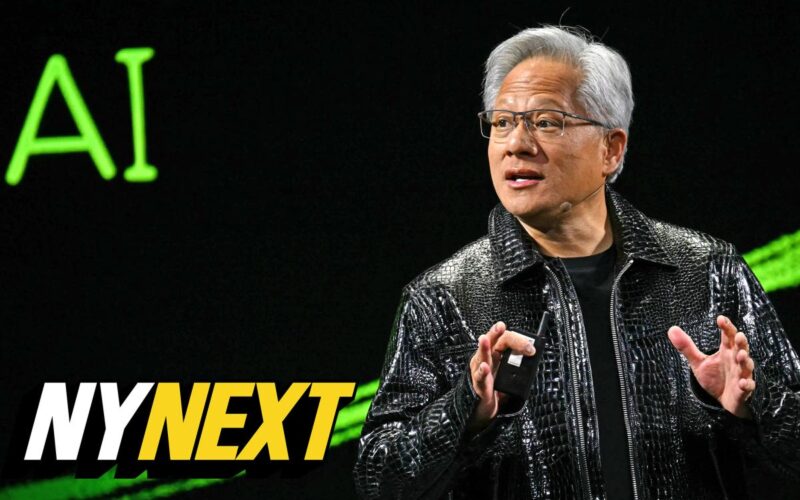
It will kick off on January 5 with a speech from Nvidia CEO Jensen Huang that sources say will describe a roadmap for how Nvidia’s full stack will drive the next industrial revolution — accelerating both generative AI and physical AI.
“The Jensen keynote speech is front and center in terms of strategic direction for AI,” Wedbush analyst Dan Ives told me. “It’s not just everyone in tech and markets watching, but everyone around the world.”
He added, “This kicks off the consumer AI revolution. AI technology is coming to consumers globally this year.”
Huang has been attending CES on and off for nearly a quarter century. Last year, he also gave the keynote.
Artificial intelligence investment made up as much as 92% of U.S. GDP growth in the first half of 2024, according to Harvard economist Jason Furman. CES will have an outsized impact this year.
Lisa Su — the CEO of semiconductor designer and developer company AMD — will also keynote. She’s transformed AMD from a struggling chipmaker into a serious Nvidia competitor with a market cap exceeding $200 billion
While AMD holds just a fraction of Nvidia’s market share in AI accelerators, Su is expected to announce new chips aimed at enterprises looking for alternatives to Nvidia’s premium-priced GPUs.
While chips get much of the attention, Huang will emphasize physical AI in his keynote, highlighting how that can extend far beyond robotics to be used in everything from drones to refrigerators.
“Think of it as industries,” one source said. “Healthcare, automotive, manufacturing — Jensen is showing how AI transforms how these sectors actually work.”
To be sure, anything Huang and Nvidia do has outsized economic impact. The company’s market cap is currently $4.6 trillion, nearly exceeding the entire economy of Germany.
With AI-related spending expected to hit $3 to $4 trillion over the next three years, what Huang announces about data centers, physical AI, and robotics won’t just move markets; it will shape how those trillions get allocated.
While the US seems to be a clear leader in artificial intelligence this year, Chinese companies are expected to be well-represented, too.
This story is part of NYNext, an indispensable insider insight into the innovations, moonshots and political chess moves that matter most to NYC’s power players (and those who aspire to be).
The show floor will reflect the shift to physical AI. Hyundai will highlight humanoid robots, Boston Dynamics will demo its latest autonomous systems, and Samsung is unveiling an “AI living ecosystem” that includes refrigerators capable of tracking inventory and anticipating grocery needs. LG, Intel, AMD, and Lenovo are all positioning their hardware as the foundation enabling AI to move from data centers to actual devices in consumers’ homes.
For years, CES showcased technology of tomorrow that often never arrived. This year is about technology that’s already here — and the question is no longer whether AI will transform consumer products, but how quickly.
Send NYNext a tip: nynextlydia@nypost.com.