



When Donald Trump claimed that America’s affordability crisis is a “hoax,” he revealed how profoundly disconnected he is from the workers who make our cities run. New Yorkers don’t need a lecture about hoaxes — they need a paycheck they can live on.
And if we are serious about making this city livable again, we must start where the harm is greatest: by eliminating all subminimum wages.
For too long, millions of workers nationwide — and hundreds of thousands here in New York — have been legally paid less than the minimum wage simply because of who they are or what job they do. Tipped restaurant workers, disabled workers, incarcerated workers, and young workers are still paid less. The legacy of subminimum pay is rooted in exclusion, discrimination, and exploitation.
Other states have already acted. Seven have eliminated the subminimum wage for tipped workers and now have stronger restaurant growth, less wage theft and higher tipping averages. Eighteen states have also ended subminimum wages for disabled workers, and California now allows counties to pay incarcerated workers a real wage.
New York — one of the most expensive and unequal cities in the country — should be leading. Instead, too many of the workers who care for our children, serve our food, and keep this city running still earn less than the minimum wage before tips. They are the ones hit hardest by rent spikes, food inflation, and rising transit costs.
New York has led the nation before — on the $15 minimum wage and paid sick leave. Ending subminimum wages is the next frontier.
The predation of the subminimum wage should be eliminated nationally by Congress. Short of that, the New York State Legislature should act — just as other states have. While Albany must act to eliminate all subminimum wages statewide, we don’t have to wait. New York City can take the first step right now.
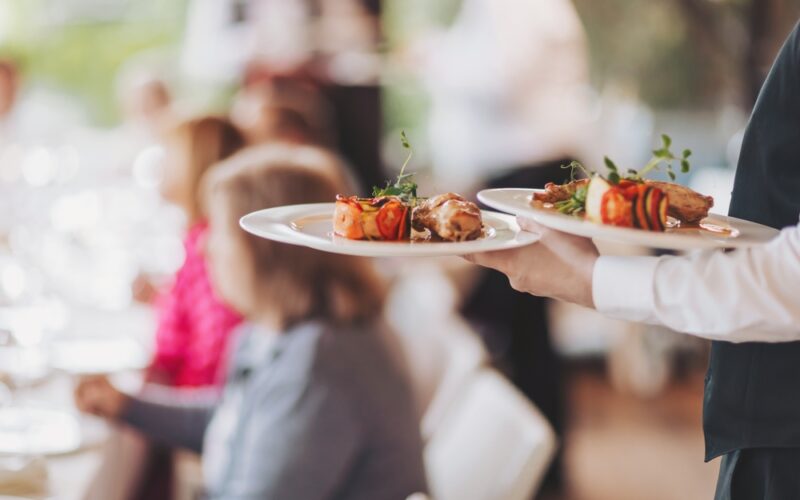
That’s why we are committed to moving forward on a new outdoor dining bill — one that not only strengthens and expands this beloved part of New York’s streetscape, but finally requires every participating restaurant to pay the full minimum wage, with tips on top.
At the same time, the bill should make it easier for restaurants to participate by simplifying the process, eliminating application and hearing fees, and ensuring a robust, year-round program takes root across all five boroughs.
A comptroller’s office report showed how inaccessible the current program is — only 40 of 3,500 restaurants had permits by April 1 — underscoring the need to make outdoor dining simple, predictable, and truly citywide. We want it to flourish in every neighborhood by streamlining the process for small businesses, while also ensuring the benefits extend to the workers who make outdoor dining possible.
Outdoor dining transformed our city during the pandemic, revitalizing neighborhoods and helping restaurants survive.
A new outdoor dining bill should build on that success by setting a fairer baseline: if you operate in a public space, you must meet a public standard, a full wage with no exceptions.
It is a practical bargain. One that provides access to public space in exchange for fair treatment of the workers who sustain it. Practical because it directly improves wages for tens of thousands of restaurant workers — overwhelmingly women, immigrants, and people of color—who are among the lowest-paid workers in our city. Symbolic because it establishes a simple moral principle: No New Yorker should ever be paid less than the minimum wage. Period.
With new leadership in City Hall and the City Council, we have a rare opportunity to take meaningful action on affordability that targets the most marginalized workers — the workers who have endured the brunt of economic hardship long before the rest of the city started calling it a “crisis.”
Ending subminimum wages won’t solve affordability on its own. But it’s the first and most urgent step we can take. Because a city that claims to care about affordability cannot continue to sanction legally subminimum pay.
New Yorkers know affordability isn’t a hoax. They feel it every time they pay rent, buy groceries, or refill a MetroCard. The question now is whether we rise to meet this moment.
By starting with the outdoor dining bill — and committing to end all subminimum wages — we can show what real leadership looks like. We can show that New York will not wait for Washington. We can show that a fairer wage floor is the gateway to a fairer economy. And we can show that when we expand opportunity for workers, we expand what’s possible for the entire city.
Lander is city comptroller. Jayaraman is president of One Fair Wage. Hanif is a Brooklyn councilwoman.