



This past June, New York’s electric grid faced a sobering test. As temperatures soared and demand surged, the New York Independent System Operator (NYISO) issued multiple emergency energy warnings. These alerts were real-time signals that our system was straining under the weight of summer demand. The performance of the grid this summer draws an obvious conclusion: We need more electric supply to meet future reliability needs.
Specifically, our recently released 2025 Quarter 3 Short-Term Assessment of Reliability (STAR) identifies a deficient transmission security margin in New York City beginning in 2026. This means without certain actions the grid may not be able to withstand disturbances like short circuits or unexpected generator outages. This is not just a technical concern — it’s a public safety issue.
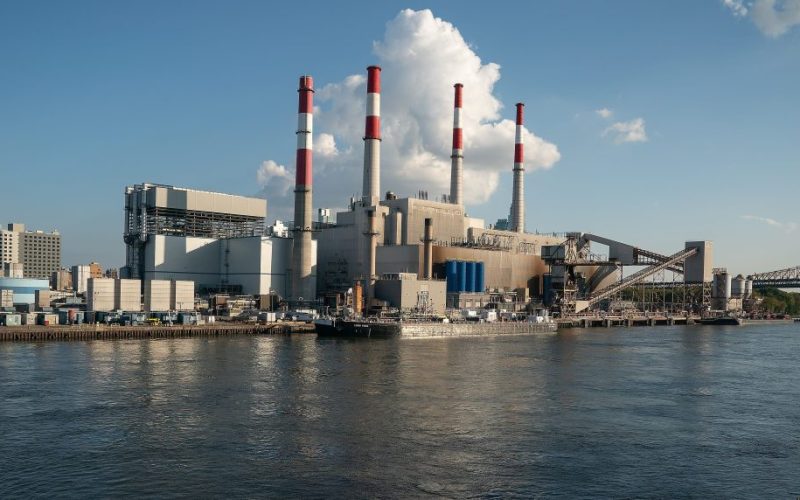
The events of June 2025 were not isolated — they were symptomatic of deeper vulnerabilities in our energy infrastructure. Our current generation fleet totals about 40,000 megawatts. About 7,000 MW of the total is more than 50 years old. Some generators are more than 70 years old — well beyond the industry’s average age of retirement for such resources.
These assets had a much higher rate of failure this summer when they were called upon to meet consumer demand. The STAR analysis also demonstrates that challenges with relying on an aging fleet only become more serious with rising electricity demand driven by future economic growth, electrification of the building and transportation sectors, and increased use of air conditioning during heat waves.
While the STAR analysis makes clear that planned projects like the Champlain Hudson Power Express (CHPE) and the Propel NY transmission project, will help — they are not enough on their own. We must accelerate the development of new generation resources, particularly more flexible assets that can respond quickly to grid stress. We must also modernize transmission infrastructure to ensure power can flow where it’s needed most.
Without immediate action, we risk outages, economic disruption, and threats to public health during peak summer months.
But addressing these challenges is not as simple as flipping a switch. The industry faces significant constraints in the energy supply chain. The cost of transformers, conductors, and other critical grid components has risen sharply due to inflation, global demand, and material shortages. Lead times for new equipment and construction projects have stretched from months to years. Even when funding is available, permitting and siting can delay projects well beyond the timelines of our reliability needs.
We must pursue an “all of the above” approach to energy resource development. Renewables like offshore wind, battery storage and solar are essential to our long-term decarbonization goals, but they must be complemented by firm, dispatchable resources. This includes new, cleaner fossil fuel generation — such as high-efficiency gas turbines with much lower emissions profiles — that can provide reliability when the sun isn’t shining and the wind isn’t blowing.
This is not a call to abandon our state’s climate goals. It is a call to balance them with the urgent need for reliability, certainty and resilience. The grid must be both clean and dependable. Safe and flexible. We cannot afford to choose one at the expense of the other. Issues of health and safety and supporting the economy and environment are paramount.
The STAR report is a clear signal: we are running out of time. We need coordinated action now — across industries, and government — to invest in the infrastructure that will power New York City safely and reliably, while lowering emissions.
New York City deserves a grid that is as resilient and dynamic as the people it serves. The future of our energy system — and the safety of millions — depends on it. Let’s rise to the challenge.
Nelson is chief operating officer and executive vice president of the New York Independent System Operator. The NYISO is the nonprofit, independent organization responsible for managing New York’s electricity grid and wholesale electricity markets. Every year, the NYISO evaluates the grid’s ability to meet consumer demand reliably, factoring in weather extremes, fuel availability, generator performance, and evolving energy policies.