




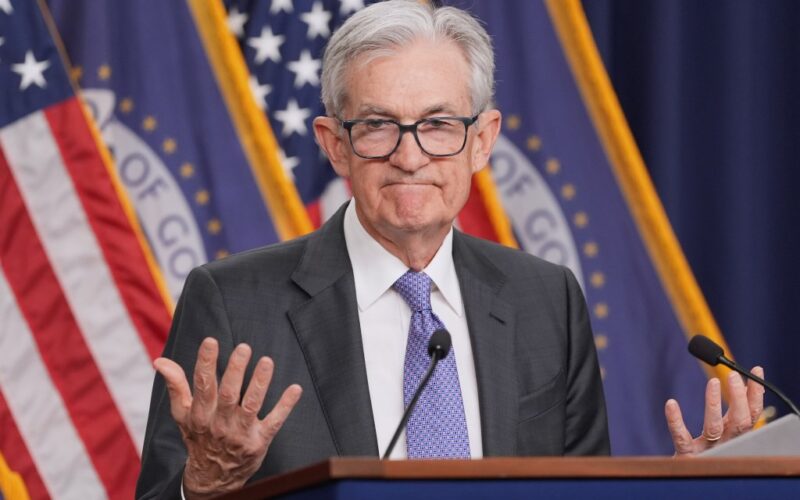
Donald Trump’s henchmen (in this case, henchwoman) are at it again, this time ginning up a phony criminal investigation into Federal Reserve Chair Jay Powell in much the same way that they’ve tried against Trump antagonists Jim Comey and Tish James. Those persecutions were horrible precedent in their own right, but this, signed off on by the U.S. attorney for D.C., Jeanine Pirro, is a different caliber altogether, not just representing a threat to the rule of law and our system of government but the whole of the global economy now and into the future.
The DOJ investigation ostensibly has to do with the Fed’s renovation and Powell’s statements to Congress about it, but as with the others, everyone understands that this was merely the most convenient excuse to go after Powell, whose great offense was a commitment to doing his job of stewarding the economy.
Such independence didn’t sit well with Trump, who has convinced himself that cutting interest rates, like tariffs before them, are a magic solution to economic woes and has demanded the Fed follow through. But Powell and the other governors of the Fed instead followed the law and set monetary policy as they thought best, not to follow Trump’s orders. Yesterday, Trump said of Powell that “he’s incompetent or he’s crooked.”
We know it’s probably folly to ask this of an administration that never seems to think more than one step ahead, as per the whims of its figurehead, but what exactly is the plan here? Remember, Powell’s term as chair expires on May 15 and Trump gets to nominate his successor.
So let’s say that Trump wins this battle with Powell and crushes Fed independence enough that the body moves to dramatically lower rates as he wants. What then? Is the idea that mortgages come down immediately? Because, as pretty much any economist could probably tell the president, these are long-term loans that don’t necessarily map identically to short-term interest rates.
These are all details anyway in comparison to the extremely dire macroeconomic impact of terminating central bank independence, which will destroy business and international confidence in our institutions that have taken decades to build up.
No one is going to care about short-term interest rates if the dollar starts tanking or there is a sudden and widespread loss of confidence in the Fed’s ability to maintain inflation low and labor markets stable over the long-term. There is a reason that even Trump‘s diehard supporters in Congress have talked about Fed independence as a kind of third rail. On some level or another, we are all invested in the central bank’s ability to make its own decisions, a reality dating back more than a century through all of this country’s most prosperous years.
Put another way, you could argue that Powell’s current defiance is the only thing propping up the economy. With his term as chair expiring in mere months, this is clearly about setting the standard that future Fed chairs respond to the president, not the data.
If Trump succeeds and we really go into economic freefall, we don’t doubt that the deflector in chief will find plenty of people to blame, whether it be the deep state or what have you, but there won’t be anyone left to credibly wag the finger at. Everyone is going to understand that, like tariffs, Trump, heard all of the warnings and moved ahead anyway, damaging opponents and supporters alike.
Powell should stand firm, and both Congress and the courts must back him up and senators must refuse to confirm any successors that don’t understand the mission of the bank, for all our sakes.