




When it comes to building its way out of the affordable housing crisis, New York is running a race against time.
The need is most acute in New York City, with an estimated shortage of 355,000 units. But a recent Real Estate Board of New York report found it takes on average more than three years to build a single apartment building in the five boroughs, and even longer — potentially more than four years — in Manhattan.
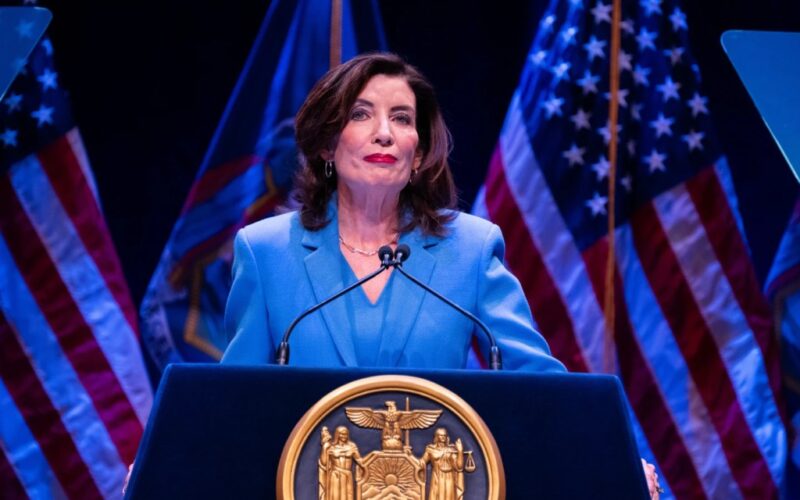
Though the city is experiencing a surge in affordable housing construction, with thousands of units added annually, the whole process — from permitting to ribbon-cutting — takes far too long. New Yorkers don’t have time to wait; they need affordable housing now. And as both Mayor Mamdani and Gov. Hochul have made tackling the affordability crisis a top priority, it’s imperative that we do everything possible to reduce that timeline.
The governor’s budget proposal to reform the State Environmental Quality Review Act, or SEQRA, is an important step forward.
SEQRA is New York State’s law that requires state and local agencies to consider environmental impacts before approving projects. Projects are classified based on the level of environmental review they require — Type I, Type II, or Unlisted. Type II actions are essentially projects that are pre-determined to not have a significant impact on the environment, either because of their size, nature, or location.
Because they are considered low-impact, Type II actions are exempt from the full SEQRA environmental review process, which saves time and reduces bureaucratic hurdles.
Under the current SEQRA process, housing projects can require two or more years of environmental review — even those that ultimately show no significant impacts — before construction can begin. These extended timelines routinely add 11 to 16% to project costs and contribute hundreds of thousands of dollars in pre-development expenses, tying up financing and limiting the feasibility of many affordable housing projects before they even get underway.
Delays in environmental review have a direct impact on the delivery of housing. Each year added to a project slows the creation of new homes, leaving individuals and families waiting longer for safe, stable, and affordable homes.
Extended timelines can reduce the total number of homes built, as projects may be downsized, postponed, or abandoned entirely due to uncertainty and added time. Each day a project is delayed, its cost increases by hundreds, even thousands, of dollars. These delays slow the pace at which communities gain access to needed housing, prolong shortages, and make it harder to meet the growing demand for affordable units across New York City and the state.
Hochul’s Executive Budget proposal takes meaningful steps to address these challenges by expanding the types of affordable housing projects that qualify for Type II actions and a more streamlined environmental review process. In New York City, qualifying developments could include projects of up to 250 homes, or up to 500 homes in medium- or high-density districts.
Outside the city, eligible projects would be limited to 100 homes and must be built on previously developed sites with existing water and sewer connections. The proposal also establishes more predictable timelines for preparing environmental impact statements, reducing delays and providing greater certainty for both developers and financing partners.
These reforms create predictability and reduce uncertainty around eligibility for streamlined review, allowing projects to move from design to construction without unnecessary setbacks.
This is not about cutting corners or giving the environment short shrift. It is about modernizing SEQRA to reflect 21st century housing needs while preserving important environmental protections and public participation where they truly matter. Core safeguards against disproportionate impacts on disadvantaged communities remain in place, and historic preservation and infrastructure standards continue to apply.
Every month a project stalls is a month that thousands of New Yorkers in need are going without safe, high-quality, affordable homes. By reducing needless costs and delays, we can create more homes, stabilize rents, and strengthen communities across New York.
Streamlining SEQRA review is a responsible and practical approach to addressing the housing crisis.
Rivera is president & CEO of the New York State Association for Affordable Housing (NYSAFH).