



If you’ve ever doom-scrolled your neighborhood apps at 1 a.m., you already know: Porch pirates and break-ins don’t care how bougie your zip code is.
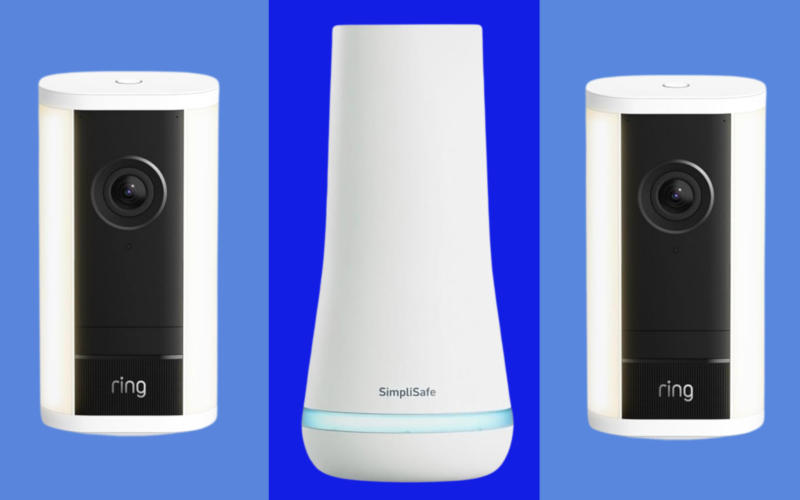
Two names always come up when readers ask how to find an affordable security system without inviting a stranger into their living room: SimpliSafe and Ring.
Both promise DIY setups, app-based control, and optional professional monitoring. Both are big names in the “I’d rather spend money on a vacation than a wired alarm from the ‘90s” game.
Last Chance: SimpliSafe Cyber Deal
Looking for the cheapest way to lock down your place without signing your life away? This Cyber Monday deal is the move.
- 70% off a new SimpliSafe system when you sign up for professional monitoring
- Free $199 outdoor security camera stacked on top of the discount
- Customizable packages, so you only pay for the sensors and gear you actually need
- Easy DIY setup in minutes, no installer or drilling marathon required
- No long-term contract – cancel anytime if it’s not for you
Heads up: This Cyber Monday offer ends at midnight. If you’re going to pull the trigger on a budget home-security system, this is the night to do it.
I’ve spent years with SimpliSafe protecting my own home and have done the deep dive into how it stacks up against Ring’s alarm ecosystem, cameras, and monitoring plans. I’ve also combed through independent tests, expert rankings, and user reviews so you don’t have to.
Meet the Contenders
- Ring is fantastic if you’re already living in the Amazon universe and mostly care about cameras and doorbells.
- SimpliSafe is the better choice if you want a true security system first with stronger alarm hardware, more focused professional monitoring, and proactive crime-prevention tech.
Let’s get into the details so you can decide which system you actually want watching your front door.
Ring vs. SimpliSafe: Key differences
At a high level, both systems check the same basic boxes:
- DIY installation with optional pro install
- No long-term contracts
- Self-monitoring or 24/7 professional monitoring available
- App control, alerts, and cellular backup on paid plans
But once you get past the marketing, SimpliSafe vs Ring breaks into a pretty clear split.
Price and Monitoring: Which is Cheaper?
If you’re strictly comparing monthly cost, Ring usually wins.
Ring
- Ring Home plans start at about $4.99 per month for cloud video and smart alerts, and go up to $19.99 per month for the Premium tier that covers all cameras and doorbells at one address.
- To add Alarm Professional Monitoring, you tack on about $10 per month to a Standard or Premium plan, so most people land around $19.99 per month for full alarm monitoring plus cloud video.
SimpliSafe
- Professional monitoring starts at $22.99 per month for the Standard plan and climbs to about $80 for the Pro Plus plan, topping out when you add full-time Active Guard coverage.
- The entry‑level professional monitoring (“Standard”) does not include video recordings. For that
So if your only question is “Which is cheaper: SimpliSafe or Ring?” the answer is:
Ring is generally cheaper month to month, especially if you’re camera-heavy. SimpliSafe costs more but folds in more alarm-first features at each tier and offers a broader safety spectrum.
Hardware: Alarm System vs Camera Ecosystem
This is where the gap really starts to show.
SimpliSafe is built as a full-on alarm system first. Even starter kits include:
- Base station + keypad
- Multiple entry sensors
- Motion sensor
- Optional glass-break sensor, siren, panic button, key fobs and environmental sensors (smoke, CO, water leaks, temperature)
- SimpliSafe also offers indoor and outdoor cameras, as well as the SimpliSafe Smart Lock, to round out whole‑home protection.
Ring leans more into its doorbell camera strength:
- Ring Alarm kits give you the base, keypad, motion and contact sensors.
- But Ring’s real muscle is the huge catalog of cameras and video doorbells that plug into the same app: floodlights, indoor cams, battery cams, stick-up cams and more.
If your priority is Ring security vs. SimpliSafe for whole-home protection, SimpliSafe offers a more traditional, sensor-heavy security setup out of the box. If you want eyes on every angle with lots and lots of camera options, Ring is hard to beat.
Smart Home Integration and Ecosystem
- Ring is owned by Amazon, so (shocker) it plays extremely nicely with Alexa and other Z-Wave smart-home devices like certain smart locks and lights. If your home is already Alexa-forward, Ring drops right in.
- SimpliSafe supports Alexa and Google Assistant for status and arming. Voice disarming is not supported for security reasons; it’s not trying to run your entire smart home. It’s more “alarm system with a side of smart” than “smart home that also has an alarm.”
I use Alexa at home and have had no issues with my SimpliSafe system at all.
Translation:
- Pick Ring if you want your alarm system woven into a bigger smart-home web.
- Pick SimpliSafe if you’d rather your security system stay focused on, well, security.
Monitoring Quality and Crime Prevention
SimpliSafe’s higher-tier plans add Active Guard Outdoor Protection, which uses AI in the outdoor cameras plus real human agents to spot and verbally challenge potential intruders before they reach your door, not just after an alarm trips.
It builds on the brand’s “intruder intervention” feature, which lets agents talk directly through cameras during an alarm to help verify emergencies, guide people to safety, or deter would-be intruders before they have a chance to break in.
Ring offers its own Virtual Security Guard add-on, which pairs trained agents with compatible cameras and lets them call emergency services, but it’s a separate $99-per-month service on top of a Ring Home plan. That pricing makes it more of a premium upsell than something most people will use day to day.
So while both brands can get police or fire dispatched when something goes wrong, SimpliSafe bakes more of that “stop it before it happens” mindset into its core monitoring tiers, not a high-end add-on.
My Review
Setup and Installation
Both brands are firmly in the “no drill required unless you insist” category.
SimpliSafe Installation
- Sensors are peel-and-stick, labelled, and pre-paired. You plug in the base station, run a guided setup in the app or keypad, then walk around sticking sensors where the app tells you to.
- The app guides sensor placement and setup, and walks you through installing your outdoor camera or doorbell if you’re adding those.
- The entire process can be completed in under an hour without tools. Pro installation is available if you want even more assistance (however, I’m confident you won’t need it).
Ring Alarm Installation
- Similar base-plus-sensors approach, but there’s a bit more tapping through steps in the Ring app, and you’ll likely be pairing cameras and doorbells too.
- It’s still squarely DIY-friendly, but in testing, reviewers often note it takes longer if you’re bringing multiple devices online at once.
My take: If you want the easiest possible “I am not handy, please be kind” setup, SimpliSafe has the edge. Ring is still approachable, but you’ll spend more time futzing with cameras and smart-home settings.
Day-to-Day App Use
Both apps are strong, and both systems support push alerts, mode changes, and live video.
SimpliSafe App
- Very straightforward: arm/disarm, check event history, view cameras, tweak sensor names and rules.
- Feels designed for people who want to tap once and move on with their day, not play admin.
- Higher-tier plans unlock extra controls for Active Guard, video verification, and smart assistant integration.
Ring App
- Busier, but powerful. You can jump between cameras, doorbells, and alarm tiles, build routines with Alexa, manage shared users, and dive into video history.
- If you’re a tinkerer, it’s fun. If you want simple, it can feel a little like flying a plane when you just wanted to lock the front door.

SimpliSafe is my pick for the best overall full-home protection. It’s great for homeowners and renters who want an alarm-first system with strong monitoring, lots of sensors, and proactive deterrence without going full “Fort Knox.”
Pros:
- Alarm-first system with a deep sensor lineup.
- Excellent DIY install that’s truly landlord- and renter-friendly.
- Active Guard and intruder intervention give proactive, human-backed protection.
- Tiered monitoring plans so you can decide how intense you want to get.
- Strong third-party reputation.
Cons:
- Monitoring can be more expensive than Ring.
- Smart home integrations are good, but not exhaustive.
- Camera lineup is smaller; you won’t find the same “camera for every weird angle.”

Ring is best if you’re already invested in cameras and Alexa. It’s great for people who started with a Ring doorbell, loved it, and now want to bolt an alarm system onto that same ecosystem.
Pros:
- Biggest camera and doorbell ecosystem in this fight, with options for every budget.
- Lower starting prices for subscriptions.
- Alexa and smart-home integration, useful extras like backup internet on Alarm Pro.
- Optional Virtual Security Guard upgrade.
Cons:
- You’ll have to buy more components to match SimpliSafe’s offering, and price can add up fast.
- The most advanced protection is a high-priced add-on, not baked into core plans.
- Works best if you’re already committed to the Amazon ecosystem.
Which should I buy if I’m starting from zero: Ring Alarm or SimpliSafe?
Start with SimpliSafe if you’re building an alarm system. Start with Ring if you’re expanding a camera setup.
The Final Verdict
Is SimpliSafe better than Ring?
For most people looking for a home security system in 2025, I’d say SimpliSafe is the better overall choice.
Here’s why:
- It behaves like a true alarm system right out of the box, not a camera network that added an alarm later.
- Its monitoring is designed to stop crime early, with features such as Active Guard and intruder intervention, not just reacting to a siren.
- The app and hardware are easy to live with daily, even if you’re not a tech person.
Ring is still a strong contender and absolutely not a “bad” pick. If you’re already deep in the Ring universe and love its cameras, sticking with that ecosystem is a perfectly smart move.
But if a reader stopped me tomorrow and asked, “I don’t have anything yet. SimpliSafe vs Ring: what’s your move?” I’m pointing them toward SimpliSafe.
Are security systems like SimpliSafe and Ring worth it?
Short answer: yes.
A modern setup like SimpliSafe or Ring gives you:
- Faster alerts when doors open, glass breaks or motion is detected.
- A visible deterrent (yard signs, cameras, doorbells) that makes your home less appealing than your neighbor’s.
- A safety net when you’re asleep, traveling, or just not glued to your phone.
- Add-ons like smoke, CO, and water sensors that protect more than just your TV.
You can absolutely overbuy, but you don’t need a $99-a-month legacy contract anymore. A thoughtfully curated system paired with the right monitoring plan will be enough to dramatically upgrade your home’s security footprint without wrecking your budget.
If you want an alarm-first setup with strong human-backed monitoring, I’d start with SimpliSafe. If you’re already knee-deep in Ring cameras or Alexa routines, rounding that out with Ring Alarm may be the most logical, solid choice.
Either way, having any security system is better than leaving your porch light on and crossing your fingers.
For over 200 years, the New York Post has been America’s go-to source for bold news, engaging stories, in-depth reporting, and now, insightful shopping guidance. We’re not just thorough reporters – we sift through mountains of information, test and compare products, and consult experts on any topics we aren’t already schooled specialists in to deliver useful, realistic product recommendations based on our extensive and hands-on analysis. Here at The Post, we’re known for being brutally honest – we clearly label partnership content, and whether we receive anything from affiliate links, so you always know where we stand. We routinely update content to reflect current research and expert advice, provide context (and wit) and ensure our links work. Please note that deals can expire, and all prices are subject to change.