




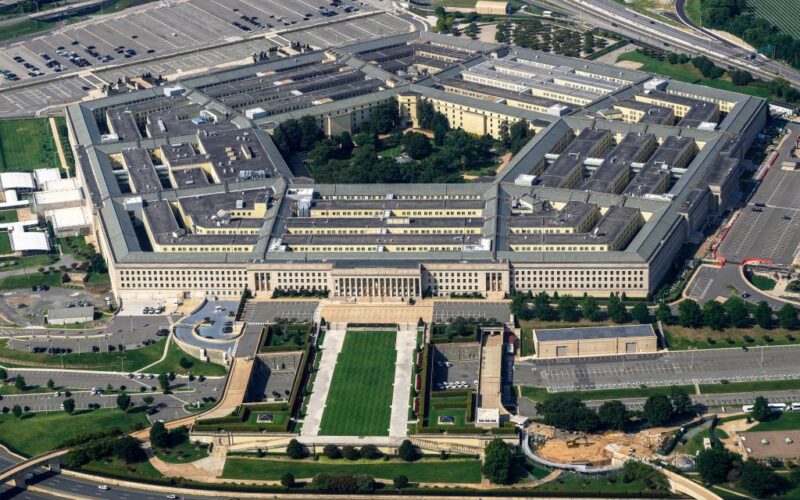
The war against Iran started a week ago, but it’s not the only war we’re fighting. The Defense Department also declared war on American universities. It cut ties with Columbia, Yale, Brown, MIT and others and forbade members of the military from attending any of them, calling them “factories of anti-American resentment.”
The Pentagon’s Tuition Assistance Program covered tuition at these universities for the military, taking graduate courses and degrees to improve their skills but that’s now been completely eliminated. This isn’t based on facts, simply a charge that universities are anti-American.
Last year, the administration made severe cuts to research, especially health research, designed to penalize colleges and universities financially, claiming they promoted wokeness and weakness, and were unfair and political. While Congress and the courts reversed some of the cuts many paid penalties and continue to do so.
The war against education is grounded in the view that Americans distrust our nation’s colleges, and want to see them punished and their leaders removed. Do Americans believe our colleges are worthy of animosity and warfare? A recent Lumina Foundation and Gallup study, titled “The State of Higher Education” measured public confidence in colleges by polling students, their main clients. The findings dispute the views of the Pentagon.
In the report a majority of students don’t feel their college was un-American. In fact they said their colleges, and faculty encourage open dialogue and support diverse views.
Between 64% and 74% of students, Republican, Democrat and independents, said all or most of their professors encouraged them to share their views whatever they were. And only 3% of Republican students said they feel they don’t belong on campus due to political views, and only 1 of every 10 weren’t confident their courses or degrees would help them secure a job.
About nine of every 10 students in bachelors or associates degree programs felt their investment in college is “worth it” and of those in the workplace three-quarters said their degree was critical to career success.
Many institutions struggle with claims they are unfair. Some attack the media, some attack government, or the private sector. None are immune to criticism. In fact even the most high performing need to focus on how to build trust based on facts, data and accountability.
Innovation is essential, but hurling attacks based on no evidence or disputed by facts, is unfair, and unjust. Universities are vital to America’s success. Data shows those entering the workplace with a degree earn more than $1.3 million more over their lifetime versus those with only a high school diploma. Data in this recent study bears that out.
Students value their universities and state unequivocally they don’t experience the bias our colleges are being charged with. And while it’s impossible to say nobody in any profession has zero bias, when students are asked about the level of bias they experienced in the colleges they attended, they said unequivocally, it was negligible.
Polls tells us Americans struggle with affordability, not the supposed bias of our nation’s colleges. They want our leaders to focus with laser-like attention on solving this problem and not being diverted or distracted. The war on our colleges is based on fiction, not fact. It’s a total distraction. And we can’t leave it to our universities to fight back on their own.
We all need to listen to what students have told us, and speak out against unfounded criticism, and support quality education for our students and their families.
Litow is a professor at Columbia and previously served as a professor at Duke University where he also served as Duke’s innovator in residence.