




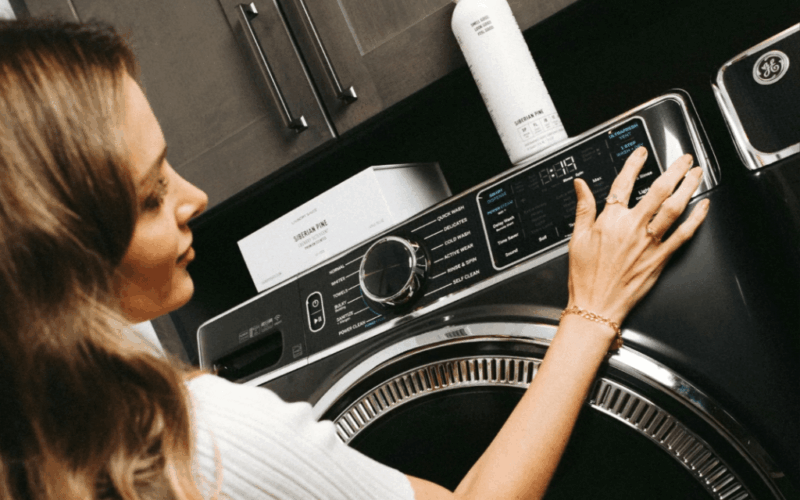
Washing clothes in cold water can cut energy use, lower utility bills and still deliver clean, fresh-smelling laundry with modern detergents
Content oversight provided by Studio 1847
Laundry is one of those high-energy household habits we repeat every week without thinking twice. But experts say one small switch, washing in cold water, can cut energy use significantly without giving up clean clothes or that fresh, comfortable feel.
In New York, where utility costs routinely run higher than the national average, that small adjustment can make a noticeable difference over time. It is one reason cold-water laundry is gaining traction as brands such as Laundry Sauce design detergents engineered specifically to perform in lower-temperature cycles, pairing efficiency with long-lasting scent and fabric care.
Why this matters now
According to the U.S. Department of Energy, roughly 90% of the energy used during a washing machine cycle goes toward heating water. Removing the water-heating step lowers energy demand immediately and can be done using existing machines and routines.
As energy prices remain elevated across much of the country, cold-water laundry has emerged as one of the simplest ways households can reduce monthly bills while still keeping up with everyday chores.
Why cold water makes such a big difference
Most washers don’t use much more electricity to agitate or spin a load. The biggest energy hit comes from heating the water. When you switch to cold, you’re cutting out the single largest source of energy use in a typical cycle.
Do that for most loads over a month, then a year, and the savings start to feel real, especially in households running laundry several times a week. The only catch is performance: Cold water asks more from your detergent, which is why modern detergent formulas are designed differently than they were a decade ago.
How modern detergents clean without heat
Cold-water laundry works because detergent formulas have evolved. Instead of relying on heat, modern detergents use enzymes that break down common stains such as sweat, food and oils. Enzymes are key enablers of low-temperature wash performance and can help detergents clean effectively even when consumers reduce wash temperatures.
That same logic is built into Laundry Sauce, which formulates its detergents specifically for cold-water performance, combining enzyme cleaning with fragrance designed to adhere to fabric.
“Our formulas are HE-Compatible and maintain their high-performance results in cold water cycles,” said Ian Blair, CEO of Laundry Sauce. “This is better for the environment, as it requires less energy to heat the water.”
Better for clothes and scent
Cold water is also easier on clothing. Lower temperatures reduce fiber stress, color fading and shrinkage, helping garments maintain their shape and appearance longer.
Cold washing can benefit fragrance as well. Heat can distort scent compounds during the wash cycle, while cooler temperatures help preserve fragrance integrity, allowing scent to bind more evenly to fabric.
“Because our fragrances are so complex, each note can perform differently in the pre-wash, wet, and dry stages, so we test and retest until we’re sure that the performance goes above and beyond in every stage of the wash.”
When hot water still has a place
Cold water works well for most routine laundry, but warm or hot water is still appropriate in certain situations. The Centers for Disease Control and Prevention guidance includes:
-
Follow the care label instructions whenever possible.
-
Use the warmest appropriate water setting, especially when washing laundry for someone who is sick.
-
Dry items completely since thorough drying supports hygiene.
-
Wash bedding, towels and clothing from a sick person as needed; it is safe to wash them with other household items.
For most everyday loads, however, cold water is generally effective and more energy-efficient. For households in high-cost cities, the case for cold-water washing is as much about practicality as it is about sustainability.
What this means for New Yorkers
In a city where energy costs and living expenses are already high, efficiency gains matter. Cold-water laundry is a practical adjustment that lowers energy use, reduces wear on clothes and fits easily into existing routines.
It also aligns with broader sustainability goals without asking consumers to compromise on cleanliness or comfort.
FAQs
Does cold water really save energy?
Yes. The Department of Energy estimates that most laundry energy use comes from heating water.
Will clothes get clean in cold water?
Yes, for most everyday loads. Cold-water cleaning works best when you use a detergent formulated for cold cycles, measure the right dose, and pretreat visible stains so enzymes have time to break them down.
Is cold water better for clothes?
Cold water helps reduce fading, shrinkage, and fiber damage compared with hot water.
When should hot water still be used?
The CDC recommends hot water for sanitizing bedding, towels, and items exposed to illness.