


In America, justice is supposed to be blind. But today, corporate interests are working overtime to chip away at the rights that make justice possible.
Civil justice lawyers bridge the gap between the people and the most powerful corporations in the world. We represent families like those of Trayvon Martin, Eric Garner, George Floyd, and Breonna Taylor, along with countless others whose names never make headlines but whose pain is just as real.
We take on Big Tobacco, opioid manufacturers, and corporate polluters. We fight insurers who delay and deny valid claims. We represent workers who fall from scaffolds on scofflaw job sites, families devastated by preventable car crashes, and victims of medical malpractice, often children and the elderly.
We do not charge $1,000 an hour like corporate defense firms. We share our clients’ risk.
That system is called contingency representation. It is one of the most powerful equalizers in American democracy. If there is no recovery, there is no fee. For families across New York and this country, it is often the only way to access the courthouse doors.
Big Insurance knows this. That is why they are trying to make contingency representation harder to sustain. Eliminate it, and fair access to the courts is reserved for the wealthy.
That is why so many consumer groups have joined with trial lawyers in New York to tell legislators to slow down when it comes to Gov. Hochul’s proposal to eviscerate the ability of victims of traffic crashes to seek recompense for their injuries and reclaim their lives, damaged through no fault of their own.
Those consumer groups know her proposal is a giveaway to big insurance companies, which have been posting record profits even as they cry wolf, seeking ever-increasing premiums. And her proposal amounts to a victim tax by shifting responsibility away from bad actors and onto those who are injured.
And while the governor points to fraud rings that stage accidents to file claims, that kind of fraud is already against the law. Enforce it.
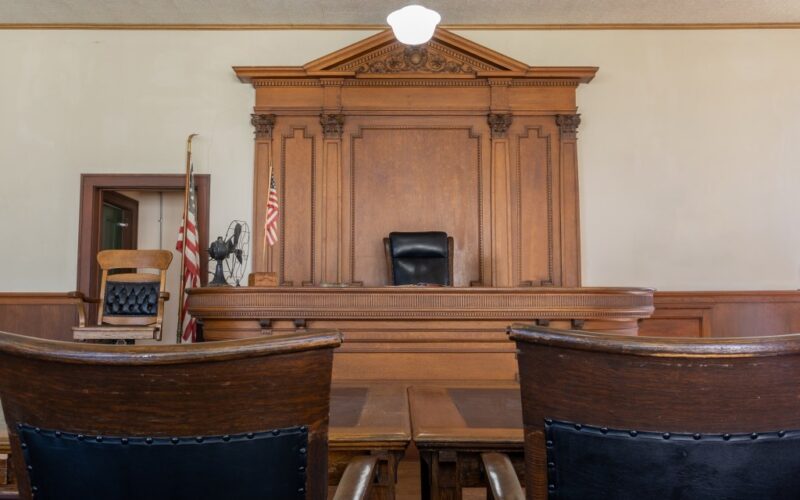
In California, companies like Uber have backed efforts to limit contingency fees through ballot initiatives that distort how the system works. These same corporations increasingly rely on forced arbitration clauses buried in fine print, stripping Americans of their constitutional right to a trial by jury. Instead of open courtrooms and public accountability, disputes are pushed behind closed doors. The Seventh Amendment guarantees the right to a civil jury trial; these companies spend big trying to take that right away.
When Hochul criticizes what she calls “billboard lawyers,” is she opening the door to policies that threaten access to justice itself?
Why? Because the jury system works. When cases are heard publicly, misconduct is exposed and behavior changes. Do we see any comparable proposals to limit the fees charged by lawyers for insurance companies or ride share behemoths?
Weakening contingency representation will lead to unchecked wrongdoing, unsafe workplaces, defective products, and discrimination without accountability.
If justice depends on paying corporate hourly rates, it is no longer equal. It becomes exclusive to the wealthy, and the scales of justice tip dramatically in the wrong direction.
Civil justice lawyers level the playing field in a system built to favor power. We keep the courthouse doors open.
The question is simple: Will we defend equal justice under the law, or will we allow it to become justice just for those who can afford it?
Crump is a nationally recognized civil rights attorney known for representing families in high-profile cases involving police misconduct, including George Floyd, Breonna Taylor, and Trayvon Martin.