



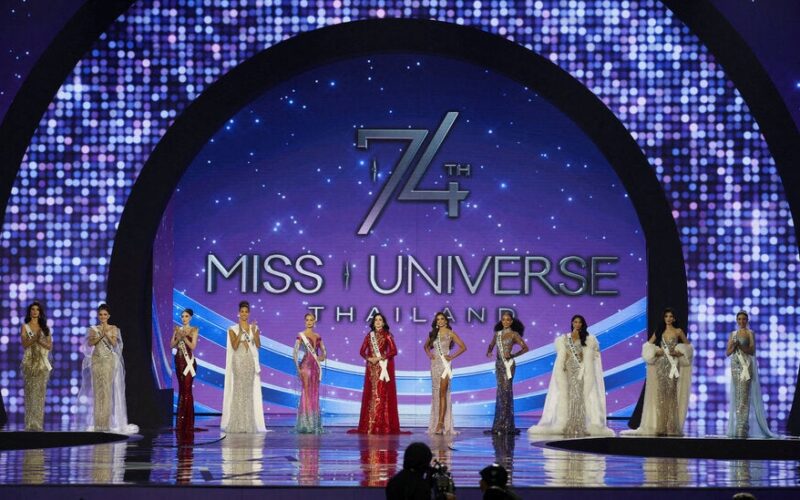
At least two African contestants for Miss Universe said they were in danger of missing the pageant in Puerto Rico this month because they had not secured U.S. visas amid a crackdown by the Trump administration.
One contestant, Miss Zambia, Mubanga Pamela Hatyoka, said she would not travel to the annual event on Nov. 24 because she had not received her visa, according to Arm Model Management, which said it was the franchise holder of Miss Zambia 2026.
Her nonattendance is “linked to the United States presidential travel restrictions affecting Zambia and other African nations,” the agency said in a statement on social media. “She earned her crown, she earned her title, and she deserves the opportunity to represent the nation she proudly serves.”
The contestant from Zimbabwe, Roseanna Hall, said on social media that she, too, had not received a U.S. visa. “I will not give up,” she said. Contestants from South Sudan and the Republic of Congo also faced delays, according to news reports.
The Miss Universe organization did not immediately reply to a request for comment. The Department of Homeland Security also did not respond to a similar request. It was unclear why the contestants had not received visas.
The social media page of the Miss Universe organization listed 20 African countries among its contestants for the pageant to held in the U.S. territory.
The Trump administration has curtailed several avenues to legal migration to the United States as part of a crackdown, including visa bans and restrictions that have hit African countries hard. The administration in January imposed full or partial travel bans and visa restrictions on 36 countries, and 29 of those are in Africa.
In December, the Trump administration widened travel restrictions to additional countries, including Zambia and Zimbabwe, while keeping in place full restrictions for citizens of the Republic of Congo and adding them for South Sudan.
Homeland Security has said it was “slamming the door shut on the foreign invaders who have undermined our national security.”
Citizens of African countries have for decades complained of draconian visa rules imposed by the governments of the United States and European countries. Governments say the restrictions aim to control migration and prevent fraud, but many Africans say they impede legitimate professional, business and study opportunities and stop family members from attending occasions such as births, weddings and funerals.
Those restrictions have become more severe since public attitudes in many Western countries have turned against immigration over the past decade.


