




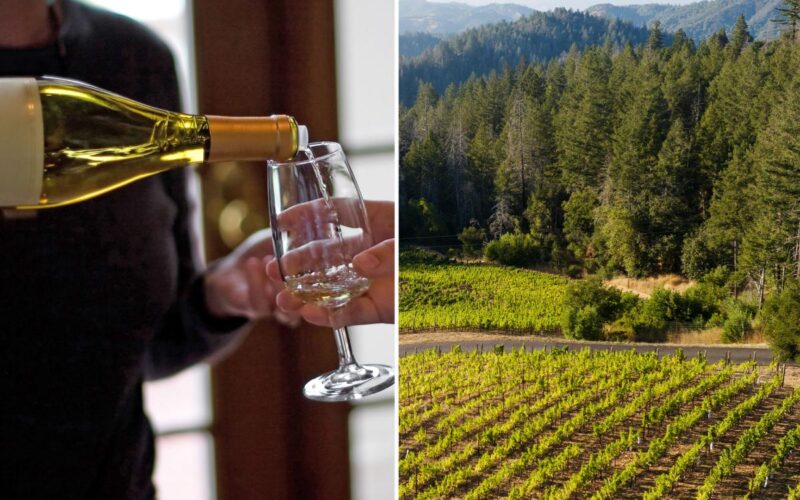
Napa Valley officials and business leaders are rolling out a major shift in how visitors experience wine country as declining sales and changing consumer habits put pressure on the industry.
The region, long known for high-end, reservation-only tastings at vineyard estates, is moving towards a more accessible model centered in downtown Napa.
The new approach focuses on walkable wine tasting, fewer reservations and lower barriers for entry, according to Forbes magazine.
The change comes as the US wine industry faces slowing growth. Industry data shows declines in consumption, especially among younger legal-age drinkers.
Premium wine sales — a key driver for Napa — have also softened, while competition from spirits, canned cocktails and non-alcoholic drinks has increased.
Traditionally, Napa visitors planned trips weeks in advance, booked appointments and drove between wineries. That model is now seen as too rigid and expensive for many consumers.
Downtown Napa is testing an alternative.
Visitors can now move between tasting rooms, bars and restaurants on foot, often without reservations. The goal is to attract younger customers who prefer flexible, social experiences over structured tastings.
The shift reflects broader generational trends. Millennials and Gen Z consumers are prioritizing convenience, affordability and atmosphere. Industry analysts say those groups are less likely to engage with traditional wine tourism.

Local businesses are adjusting by combining wine with food, music and casual settings designed to increase foot traffic and time spent in the area.
The changes extend beyond wine. Areas like Napa’s Rail Arts District are adding restaurants, breweries and creative spaces in former industrial zones. Other neighborhoods are seeing growth in mixed-use developments that include dining, retail and entertainment.
Officials say the strategy is aimed at keeping Napa competitive as visitor patterns change.
Other wine regions, including Sonoma County and Paso Robles, are also experimenting with more accessible tasting models. But Napa’s shift is being closely watched because of its influence on the broader U.S. wine market.
It is unclear how quickly the changes will impact sales. Industry leaders say the transition will take time and could require further adjustments.
Download The California Post App, follow us on social, and subscribe to our newsletters
California Post News: Facebook, Instagram, TikTok, X, YouTube, WhatsApp, LinkedIn
California Post Sports Facebook, Instagram, TikTok, YouTube, X
California Post Opinion
California Post Newsletters: Sign up here!
California Post App: Download here!
Home delivery: Sign up here!
Page Six Hollywood: Sign up here!